
Qatar Tax Treaty Relief for Foreign Companies | Claiming Reduced Withholding Tax

Anushka
Content Writer
Anushka Basu is a business content writer specialised in global business market insights. She aims to simplify complex regulatory, financial, and business concepts into… Read more

Tulika Saxena
AVP, Sales & Marketing | IIM Nagpur
Tulika Saxena specializes in business finance, sales strategy, and market positioning. Leads growth and partnerships, ensuring seamless business setup experiences and client success across… Read more



Key Fact: Qatar generally applies a 5% withholding tax on specified payments to non-residents. Eligible treaty recipients may claim reduced rates or exemptions through the GTA refund mechanism or, where approved, direct relief through a Trusted Entity.
Table of contents
- What Is Withholding Tax in Qatar?
- Which Payments Are Subject to Withholding Tax in Qatar?
- How Do Qatar Tax Treaties Reduce Withholding Tax?
- Which Foreign Companies Can Claim Qatar Tax Treaty Relief?
- How Does the Qatar Withholding Tax Refund Process Work?
- What Documents Are Required to Claim Qatar Tax Treaty Relief?
- What Is Qatar’s Trusted Entity Regime for Withholding Tax Relief?
- How Can Foreign Companies Claim Treaty Relief Through a Trusted Entity?
- What Is the Difference Between Qatar’s Refund and Direct Relief Mechanisms?
- What Are the Common Challenges in Claiming Qatar Tax Treaty Relief?
- How Can Companies Manage Qatar Withholding Tax Compliance?
- How Can Arnifi Help With Qatar Tax Treaty Relief?
- FAQs
- Conclusion
- References
What Is Withholding Tax in Qatar?
Withholding tax in Qatar is a tax deducted at source from specified payments made to non-residents. Under Income Tax Law No. 24 of 2018, Qatar generally applies a final withholding tax of 5% to certain Qatar-sourced payments made to foreign recipients. The General Tax Authority (GTA) administers the tax framework and related relief procedures.
Foreign companies receiving payments from Qatar may therefore face withholding tax on royalties, interest, commissions and service fees. The applicable tax depends on the payment category, the recipient’s circumstances and the relevant tax treaty.
Qatar’s double taxation agreements (DTAs) may reduce or eliminate withholding tax where the recipient satisfies the applicable eligibility conditions. Companies can seek relief through a refund application or, where an approved Qatar payer participates in the Trusted Entity framework, through direct relief at source.
Which Payments Are Subject to Withholding Tax in Qatar?
The domestic withholding tax framework generally applies to specified payments made to non-residents for activities unrelated to a permanent establishment in Qatar.
| Payment category | Domestic withholding tax rate |
| Royalties | 5% |
| Interest | 5% |
| Commissions | 5% |
| Service fees | 5% |
The rules cover services performed wholly or partly in Qatar, even where some activities take place outside the country. Payments attributable to a permanent establishment in Qatar are treated differently under the applicable tax provisions.
Certain interest payments may also qualify for domestic exemptions under the executive regulations.
Before applying a withholding tax rate, businesses should identify the income category, the recipient’s tax status, and whether the payment falls within the domestic withholding framework. These details influence whether treaty relief can be claimed.
How Do Qatar Tax Treaties Reduce Withholding Tax?
Qatar has an extensive network of double taxation agreements with other jurisdictions. These treaties allocate taxing rights between Qatar and the recipient’s country of tax residence and establish conditions under which income may receive reduced taxation.
Depending on the treaty, relief may include:
- Reduced withholding tax on royalties
- Lower withholding tax on interest
- Exemptions for specified categories of income
- Relief for eligible service-related payments
- Restrictions on Qatar’s taxing rights in particular circumstances
Treaty provisions differ between countries and income categories. A treaty may provide a reduced royalty rate while allowing a different rate for interest. Some agreements may also provide exemptions under specific conditions.
Foreign companies should review the relevant treaty article and protocol before claiming relief. Beneficial ownership, tax residence, and anti-abuse provisions may influence eligibility.
A treaty does not automatically eliminate withholding tax on every payment made to a foreign company.
Which Foreign Companies Can Claim Qatar Tax Treaty Relief?
Foreign companies may qualify for Qatar tax treaty relief where an applicable agreement supports the claim and the recipient satisfies its requirements.
The main eligibility considerations include:
- The recipient is tax-resident in a jurisdiction with an applicable Qatar tax treaty
- The payment falls within an income category covered by the relevant treaty provision
- The recipient meets applicable beneficial ownership requirements
- The income is not attributable to a permanent establishment in Qatar where the treaty requires this condition
- The arrangement satisfies applicable anti-abuse provisions
- The recipient can substantiate tax residence and other eligibility conditions
Some treaties include principal purpose tests or other anti-abuse provisions. These provisions may restrict benefits where obtaining treaty relief was one of the principal purposes of an arrangement and the benefit would be inconsistent with the treaty’s objectives.
Companies should therefore establish their eligibility before submitting a refund application or requesting direct relief from a Qatar payer.
How Does the Qatar Withholding Tax Refund Process Work?
The traditional Qatar tax treaty relief mechanism operates through a pay-and-reclaim process. Domestic withholding tax is deducted first, after which the eligible foreign recipient can request a refund from the GTA.
The process generally involves:
- A Qatar payer makes a payment to a foreign company
- The payer deducts the applicable withholding tax
- The withheld amount is remitted to the GTA
- The foreign recipient or its authorised representative prepares a treaty relief application
- Supporting documentation is submitted to the GTA
- The GTA reviews treaty eligibility and the claim
- The eligible amount is refunded if the application is approved
The refund depends on the applicable treaty, the amount withheld and the supporting evidence.
The GTA’s executive regulations require documentation establishing the recipient’s entitlement to relief. The refund application should therefore identify the relevant treaty provisions and explain why the payment qualifies for reduced taxation or exemption.
The GTA generally considers refund applications and communicates its decision within 60 days of submission under the relevant executive regulations, subject to the applicable procedural requirements.
What Documents Are Required to Claim Qatar Tax Treaty Relief?
A foreign company claiming a Qatar withholding tax refund should prepare documents establishing its tax residence, the payment and its eligibility under the relevant treaty.
The supporting documentation generally includes:
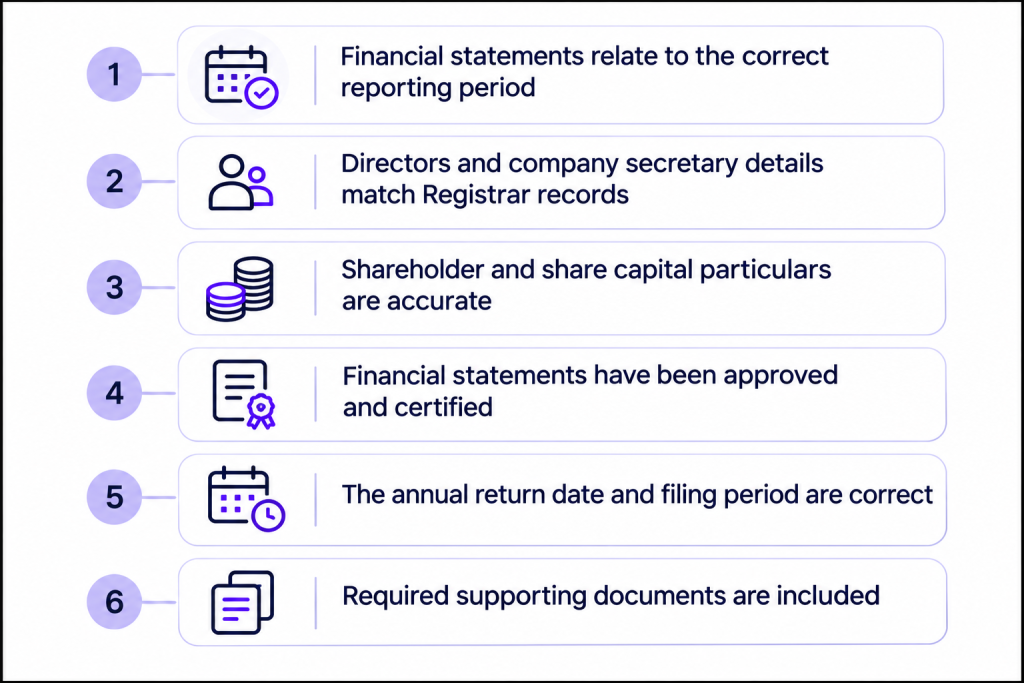
Additional information may be requested depending on the treaty, payment category and circumstances of the claim.
Companies should obtain withholding tax certificates and maintain transaction documentation before preparing their refund applications. Missing evidence can delay processing or affect the outcome.
What Is Qatar’s Trusted Entity Regime for Withholding Tax Relief?
Qatar introduced the Trusted Entity regime through Cabinet Decision No. 4 of 2026, which amended provisions of the Executive Regulations of Income Tax Law No. 24 of 2018.
The decision was published in the Official Gazette on 15 March 2026 and became effective on 16 March 2026. It establishes a framework for approved Qatar taxpayers to apply treaty withholding tax relief directly at source.
Under the regime:
- Eligible Qatar-resident taxpayers can apply to the GTA for Trusted Entity status
- Approved entities can assess foreign recipients’ treaty relief applications
- Foreign recipients submit supporting documentation to the approved payer
- The Trusted Entity verifies eligibility and relevant treaty conditions
- Approved reduced rates or exemptions may be applied before payment
- Eligible foreign recipients can avoid the traditional refund process for payments approved under this mechanism
The Trusted Entity framework changes the timing of treaty relief. It allows qualifying payments to receive treaty benefits at source, reducing the cash flow impact of withholding tax.
Approval as a Trusted Entity remains subject to GTA conditions and compliance requirements. Foreign recipients must also satisfy the applicable treaty eligibility conditions.
How Can Foreign Companies Claim Treaty Relief Through a Trusted Entity?
Foreign companies receiving Qatar-sourced payments can request direct treaty relief where the payer has approved Trusted Entity status.
The process generally involves:
- Confirm whether the Qatar payer holds Trusted Entity approval
- Identify the applicable Qatar tax treaty and payment category
- Obtain a Tax Residency Certificate from the recipient’s home jurisdiction
- Prepare the prescribed declaration and supporting documents
- Submit the application to the Qatar Trusted Entity
- Provide beneficial ownership and permanent establishment information where required
- Identify the treaty article supporting the relief request
- Allow the Trusted Entity to assess the application
- Apply the approved reduced rate or exemption at source
The recipient should provide accurate information about its ownership, tax residence and transaction arrangements.
Direct relief depends on the payer’s approval status and acceptance of the recipient’s application. If the payment does not qualify for direct treaty relief, the traditional GTA refund mechanism may remain relevant.
What Is the Difference Between Qatar’s Refund and Direct Relief Mechanisms?
The two mechanisms provide treaty relief at different stages of a payment transaction.
| Feature | Pay-and-Reclaim | Trusted Entity |
| Tax deduction | Initially withheld | Reduced or exempt at source if approved |
| Application submitted to | GTA | Approved Qatar payer |
| Timing of relief | After tax remittance | Before or at payment |
| Cash flow impact | Recipient initially bears withholding | May avoid initial tax deduction |
| Documentation | Treaty claim and refund evidence | Eligibility declaration and supporting evidence |
| Approval | GTA | Trusted Entity under GTA framework |
Both mechanisms depend on the applicable treaty and documented eligibility. The direct relief mechanism does not remove the need to establish tax residence, beneficial ownership or other relevant conditions.
What Are the Common Challenges in Claiming Qatar Tax Treaty Relief?
Foreign companies may encounter delays or rejected claims when documentation or treaty analysis is incomplete.
Common challenges include:
- Missing or outdated Tax Residency Certificates
- Incorrect classification of service income or royalties
- Failure to identify the applicable treaty article
- Insufficient beneficial ownership documentation
- Incorrect assumptions about where services were performed
- Missing withholding tax certificates or payment evidence
- Incomplete declarations submitted to Trusted Entities
- Incorrect claims of treaty exemption
- Delays caused by incomplete applications
Companies can reduce these risks by reviewing contracts before payments are made, identifying the applicable treaty and maintaining tax residency documentation.
Where direct relief is available, the recipient should coordinate with the Qatar payer early enough to complete the eligibility review before payment.
How Can Companies Manage Qatar Withholding Tax Compliance?
Foreign businesses should assess withholding tax exposure before entering into cross-border payment arrangements.
A practical compliance approach includes:
- Reviewing payment contracts before execution
- Identifying withholding tax exposure during payment planning
- Verifying the applicable treaty and rate
- Maintaining current Tax Residency Certificates
- Coordinating with Qatar payers regarding treaty relief
- Monitoring withholding tax certificates and refund claims
- Maintaining records of tax deductions and remittances
- Checking whether direct relief through a Trusted Entity is available
- Reassessing treaty eligibility when ownership, residence or contractual arrangements change
Businesses should also maintain a record of payments, treaty claims and GTA correspondence. This supports future applications and helps demonstrate compliance if the transaction is reviewed.
How Can Arnifi Help With Qatar Tax Treaty Relief?
Foreign investors establishing a company in Qatar should consider tax compliance alongside incorporation and operational planning. Businesses receiving cross-border payments should assess withholding tax exposure before transactions are completed. This includes identifying the payment category, understanding the applicable treaty and coordinating with the Qatar payer where relief may be available.
Arnifi can support businesses with company establishment and administrative requirements, helping investors understand Qatar’s business setup framework and documentation procedures.
FAQs
What is the withholding tax rate in Qatar?
Qatar generally applies 5% withholding tax to specified payments made to non-residents, including royalties, interest, commissions and qualifying service fees.
Can foreign companies claim withholding tax refunds in Qatar?
Yes. Eligible foreign companies may apply to the GTA for a refund where an applicable double taxation agreement supports reduced taxation or exemption.
Does Qatar have double taxation agreements with other countries?
Yes. Qatar has an extensive network of tax treaties. The applicable relief depends on the agreement between Qatar and the recipient’s jurisdiction of tax residence.
How can a foreign company obtain reduced withholding tax rates?
A foreign company may apply for treaty relief through the GTA refund mechanism or request direct relief through an approved Trusted Entity where the conditions are satisfied.
What is a Tax Residency Certificate?
A Tax Residency Certificate is issued by the competent tax authority in the recipient’s jurisdiction and establishes tax residence for the relevant period. It is commonly required to substantiate treaty relief claims.
Can withholding tax be exempted under a Qatar tax treaty?
Yes. Certain treaties provide exemptions or reduced rates for particular income categories, subject to eligibility and treaty conditions.
What is the Trusted Entity regime in Qatar?
The Trusted Entity regime allows GTA-approved Qatar taxpayers to apply eligible treaty withholding tax relief directly at source on payments to qualifying foreign recipients.
Can treaty relief be applied before payment?
Yes. Direct relief may be available through a Trusted Entity where the payer and foreign recipient satisfy the applicable requirements.
Who submits a withholding tax refund application?
The non-resident recipient or its authorised representative generally submits the treaty relief refund application to the GTA.
How long does a Qatar withholding tax refund take?
The GTA’s executive regulations provide a 60-day consideration period from submission of a refund application. Actual processing may depend on the completeness of the application and any additional information requested.
Conclusion
Qatar withholding tax can affect foreign companies receiving royalties, interest, commissions and qualifying service payments from Qatar. Understanding domestic withholding rules and the relevant double taxation agreement helps businesses determine whether reduced rates or exemptions are available.
Eligible foreign recipients may obtain relief through GTA refund applications or direct relief under the Trusted Entity regime, depending on the payer’s approval and the applicable treaty conditions. Companies should prepare tax residency documentation, identify the correct income category and verify treaty eligibility before completing cross-border payment transactions.
References
Top UAE Packages
Related Articles



Top UAE Packages
Get in Touch
