


 9 min read


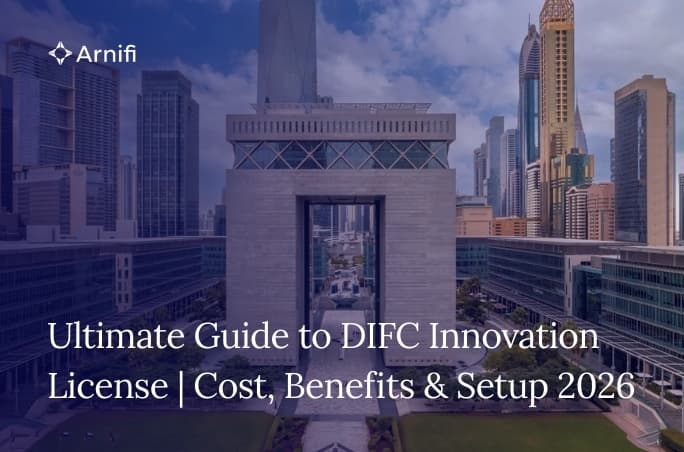
A DIFC Innovation License offers a tailored framework for startups and technology-focused companies to operate in the Dubai International Financial Centre. This guide explains what the DIFC Innovation License is, who is eligible, how the application process works, and what benefits it offers in 2026.
You will also learn about costs, documentation requirements, and how to scale your business once your licence is approved. Whether you are a fintech founder, technology entrepreneur, or innovator exploring global markets, this article gives you clear and practical guidance. By the end, you will know how to obtain and use a DIFC Innovation License effectively.
A DIFC Innovation License is a specialized business license designed to support startups and tech-led enterprises that are developing innovative solutions. It allows eligible companies to establish a presence in the Dubai International Financial Centre with an adapted regulatory approach, helping reduce barriers for early-stage innovation-focused businesses.
Getting an Innovation Licence from DIFC isn’t just about saving money on business setup cost in Dubai. It’s about planting your startup in the heart of Dubai’s financial district and gaining access to resources that most new companies can’t reach.
This licence is tailored for founders building in fintech, AI, Web3, or other tech‑driven fields who need legitimacy and a support system to grow.
You’re not just renting a desk, you’re plugging into accelerators, investors, and a legal framework trusted worldwide. That’s why this licence has become a go‑to choice for early‑stage innovators—especially compared to a traditional DIFC trade license or DIFC free zone license.
Who can apply? Here’s who it’s meant for:
If you’re a founder from abroad, looking at how to setup business in Dubai or evaluating business setup in Dubai free zone vs. DIFC, this license often stands out for tech-driven ventures.
| Licence Type | Annual Fee | Space | Visas | Scope |
|---|---|---|---|---|
| Innovation Licence | ~USD 1,500 | Subsidised flexi-desk | Up to 4 | Technology innovation |
| AI & Web 3.0 Licence | ~USD 1,500 | Same | Same | Focused on AI or Web3 |
| Venture Studio Licence | ~USD 25,000 | Office-grade | Varies | For VB’s building multiple startups |
| Innovation Holding Licence | ~USD 1,000 + desk | Likely flexi | Minimal | Holding IP/investments |
DIFC license categories can suit everything from a single startup to a multi-company holding structure. If you’re new to the emirate, using business setup consultants in Dubai can help you choose the right fit and navigate the paperwork.
Innovation and AI/Web3 licences share the same cost and flexi‑desk access, while studio and holding licences are better suited for different structures and scales.
Preparation ahead of submission reduces delays.
Here’s the usual flow:
If you’re wondering how long does it take to get a business license in Dubai, DIFC’s process is relatively streamlined—expect full licensing within 2–8 weeks from submission.
You’re required to secure at least a flexi desk in DIFC’s Innovation Hub. That unlocks up to 4 visas, yourself and your first hires, with visa fee subsidies DIFC. Space options range from flexi seats (~USD 250/month) to private offices. Physical presence is necessary; no fully remote licence.
You get far more than a coworking desk when you sign up under the DIFC Innovation License. DIFC positions the Innovation Hub as a launchpad for founders, so the extras here are what make it valuable:
Setting up in DIFC comes with clear guardrails. The DIFC Innovation License is intentionally lightweight, but you’re still operating inside one of the region’s most tightly regulated financial hubs. That means you need to understand what you can and cannot do from day one.
This license is aimed at non‑regulated tech activities, so if you plan to launch a product that involves payments, lending, or other financial services, you’ll need to move into DIFC’s sandbox first. Basic compliance like AML and KYC still applies, along with annual renewals and governance checks. As your company grows, there’s a built‑in pathway to transition to a full DIFC license when you outgrow the startup frameworks.
Before we detail the main compliance points below, remember:
Operating under a DIFC Innovation Licence means you’ll need to comply with certain rules for ongoing business operations. These requirements are in place to maintain DIFC’s reputation as a safe and well-regulated centre for innovation and finance.
From anti-money laundering (AML) and know-your-customer (KYC) procedures to annual renewals and governance standards, these checks protect both your business and your clients. As your startup grows, transitioning from an innovation licence to a full DIFC trade license is straightforward, ensuring you can scale without friction.
| 1 Year Trade License (with less than 10 full time employees) | ~1,500 |
| Registration fees(one-time) | ~100 |
| Data Protection Fees* | ~250 |
| Knowledge/ Innovation Fee | ~5.45 |
| PSA deposit (per visa) | ~275 |
| New establishment card | ~520 |
| New employee package(inside country) | ~1,170 |
| Arnifi Processing Fee | ~3,000 |
| Total Price | ~6,820.45 |
| Co-working space lease – 1 Flexi-desk (yearly) ** | ~6,000 |
| Confirmation statement*** (starts from second year) | ~300 |
| Data Protection Fees(Second Year Onwards)* | ~200 |
Best fit: Early-stage tech startups who want legitimacy, cost-efficiency, and network access.
The DIFC Innovation License offers one of the most founder-friendly ways to launch a technology startup in Dubai. For USD 1,500 a year, you gain legitimacy, visas, workspace, and access to one of the region’s strongest innovation ecosystems.
However, choosing the right licence type, preparing the correct documentation, and structuring your business properly are critical.
This is where Arnifi comes in.
Arnifi supports founders with end-to-end DIFC setup, from license selection and documentation to business plan structuring, compliance, and ongoing support. Whether you are launching your first startup or relocating an existing venture, Arnifi ensures your DIFC Innovation License journey is smooth, compliant, and fast.
Q: What activities qualify for a DIFC Innovation License?
A: Technology, fintech, blockchain, AI, and other innovation-led activities that demonstrate scalable solutions.
Q: Is the innovation license the same as a standard DIFC licence?
A: No, it is tailored for early-stage and high-growth tech businesses with lighter regulatory entry.
Q: Can I upgrade from an innovation licence to a full licence?
A: Yes, many businesses transition to broader licence categories as they expand.
Q: Do innovation licence holders get residency visas?
A: Yes, subject to visa quotas and workspace requirements.
Q: Does DIFC provide funding?
A: DIFC itself does not fund but offers access to an ecosystem of investors and support programmes.
Discover business setup packages tailored to your needs
Explore Packages
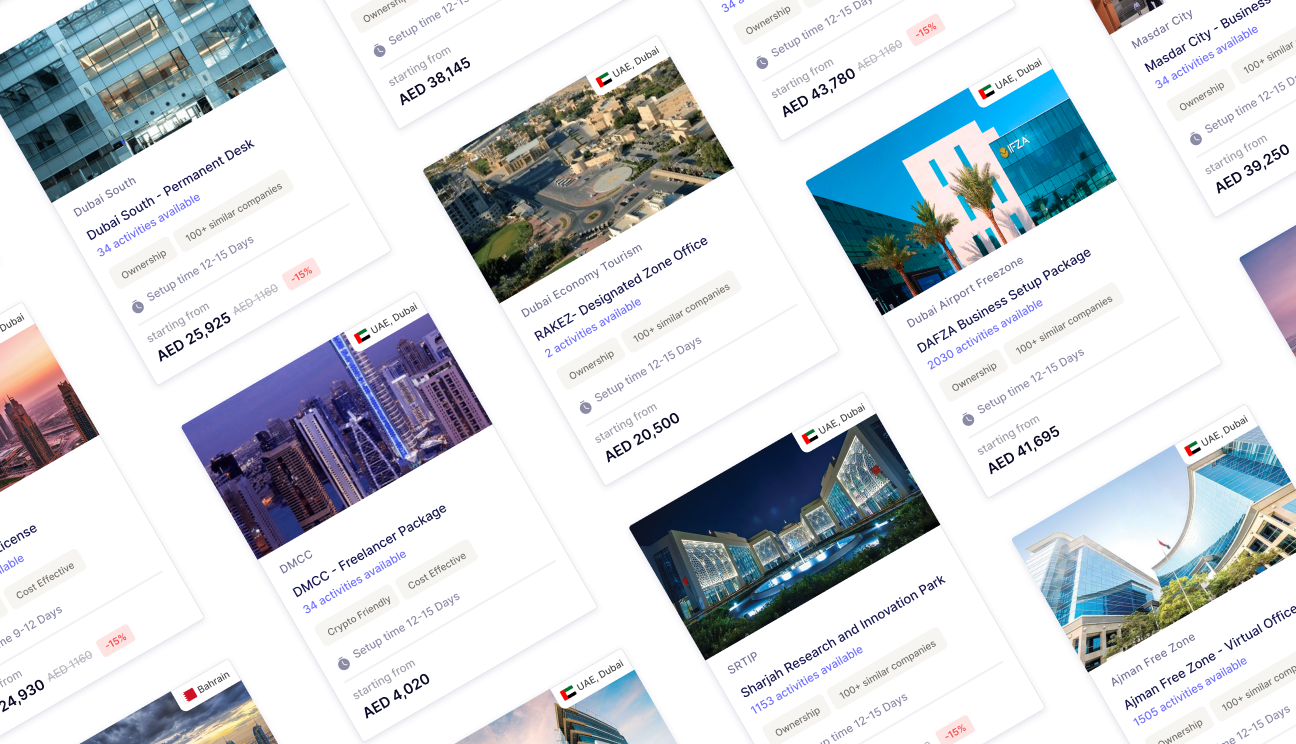
Share your details and our experts will suggest the best options for your goals.
 Book a Free Call

13 May 2026 — 6 min read
13 May 2026 — 6 min read
12 May 2026 — 6 min read
12 May 2026 — 7 min read

12 May 2026 — 6 min read
08 May 2026 — 7 min read
06 May 2026 — 7 min read
 ChatGPT
 Perplexity