
How to Setup a Restaurant in Dubai in 2026? | UAE Business Formation

Shethana P
SEO Content Writer
Shethana specialises in creating content that simplifies complex business, compliance, and regulatory topics for global business incorporation. She focuses on SEO strategy, content accuracy,… Read more


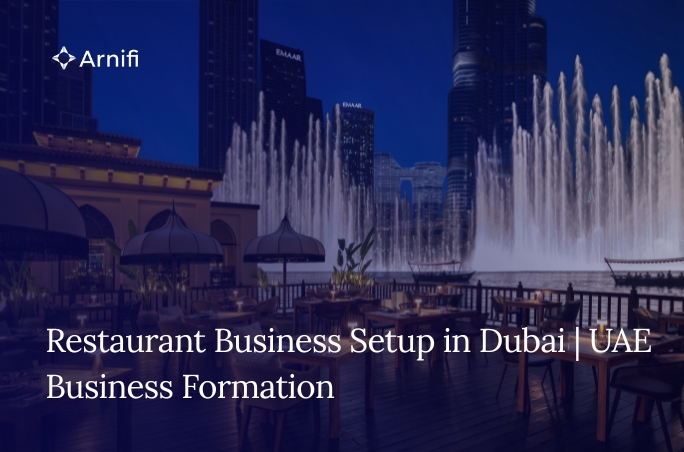
Dubai’s food scene is busy, diverse, and full of opportunity, but entering it without clarity can burn capital fast. This guide breaks down Restaurant Business Setup in Dubai from a practical lens, covering models, licensing, costs, staffing, and compliance. It explains what works on the ground, not just on paper. From choosing between a cloud kitchen and a dine-in concept to understanding inspections and real expenses, every section is designed to help founders think clearly before investing. The goal is to reduce mistakes, control costs, and build a restaurant that lasts in a competitive, high-demand market.
Table of contents
- Introduction
- Why to Start a Restaurant or Cafeteria in Dubai?
- How to Choose Your Business Model and Concept
- Step-by-Step Guide to Setting Up a Restaurant or Cafeteria in Dubai
- Restaurant Layout and Infrastructure Regulations in the UAE
- What are the Hiring and Staffing Requirements
- What are the Compliance and Ongoing Requirements
- What is the Cost Breakdown for Setting Up a Restaurant in Dubai
- What are the Challenges in Running a Restaurant or Cafe in Dubai
- Tips for Success in Dubai’s F&B Sector
- How Arnifi Supports Restaurant Founders
- Conclusion
- FAQs
Introduction
Every second restaurant idea sounds exciting on paper. In Dubai, that excitement meets strict regulation, high rent, and sharp competition. The gap between concept and execution decides everything. A well-planned Restaurant Business Setup in Dubai is not just about food; it is about structure, compliance, and positioning. Founders who take time to define their model, location, and cost base early tend to last longer. This guide lays out the real path, step by step, so decisions are made with intent, not guesswork.
Why to Start a Restaurant or Cafeteria in Dubai?
- Booming Hospitality & Tourism Industry: Dubai is a travel destination, and millions of travelers visit each year. Individuals want different types of food, which creates many opportunities for restaurant firms to grow.
- Expat & Local Market: More than 80% of Dubai’s population are expatriates. It has a highly cosmopolitan food scene. Restaurants can serve food from many different countries and also serve the tastes of the Emirati local population.
- Government Support & Business-Friendly Policies: The government of Dubai supports foreign investments through simplified business establishment procedures, 100% free zone ownership, and investor-friendly policies.
- Tax Benefits & Profit Potential: Dubai has fantastic financial benefits, such as no personal income tax and no VAT on basic foodstuffs. With a healthy consumption base to spend on eating out, restaurant companies can be very lucrative.
- Opportunities for Innovation: Cloud kitchens, food ordering platforms, and artificial intelligence-driven restaurant technologies introduce novel business models catering to the taste of the modern consumer.
How to Choose Your Business Model and Concept
Cafeteria vs full-service restaurant vs cloud kitchen
- Fine Dining Restaurants: Focus on gourmet cuisine, premium ingredients, and exceptional presentation. High-end ambiance, personalized service, and a carefully curated menu with wine pairings.
- Casual Dining Restaurants: Offers a relaxed yet stylish atmosphere with a diverse menu catering to a broad audience. Affordable pricing with table service, making it ideal for families and social gatherings.
- Cafeterias & Coffee Shops: Capitalizing on Dubai’s thriving café culture with artisanal coffee, pastries, and light meals. Offers cozy spaces for socializing, remote work, and casual meetups.
Target market: local diners, tourists, delivery customers
- Fast Food & Quick Service Restaurants (QSRs): Prioritizes speed, affordability, and convenience with standardized menu options. Often franchise-based, leveraging high customer turnover and efficient kitchen operations.
- Cloud Kitchens (Virtual Restaurants): Operates without a physical dine-in space, focusing on delivery through food apps. Reduces overhead costs while allowing multiple virtual brands to run from the same kitchen.
- Food Trucks: Low-investment, high-mobility business model catering to street food lovers and events.Offers flexibility in location, allowing businesses to experiment with different customer bases.
Legal Structures and Licensing Options
Mainland vs. Free Zone Setup
The ideal location for a food & beverage company is maniland. This allows restaurants, cafes and other food services to operate in UAE to a huge crowd. On the other hand freezones food business setup will not be profitable due to limited operating services. However freezones offer benefits like full ownership, simplified registration process, and tax benefits which is beneficial for small restaurants and cafes.
LLC vs. Sole Proprietorship
Limited Liability Company (LLC) is the most commonly preferred structure for F&B ventures. The main concern here is the investment, starting a restaurant or a cafe in Dubai costs are higher i..e, sole proprietorship are not suitable. Therefore, allows multiple shareholders, limits liability, and enables access to broader markets.
Branch of a Foreign Company
Any well established international F&B brands can opening a franchise or branch in the UAE. This allows the owners to take full ownership while paying a ransome for the franchise or partner with the existing company and expand locally for brand recognition.
Step-by-Step Guide to Setting Up a Restaurant or Cafeteria in Dubai
- Step 1: Define Your Restaurant Concept & Business Plan. Choose a unique theme, cuisine, and target audience. Develop a business plan covering budget, financial projections, and operational strategy.
- Step 2: Choose the Right Location. High-footfall areas vs. affordable rental locations. Decide between a mainland or free zone business setup.
- Step 3: Obtain Necessary Licenses & Permits. Trade License: Issued by the Department of Economic Development (DED). Food & Safety License: Required from Dubai Municipality. Liquor License: Necessary if serving alcohol. Signboard & Outdoor Seating Permit (If applicable).
- Step 4: Rent & Design the Restaurant Space. Lease agreements and compliance with zoning laws. Focus on interior aesthetics and efficient kitchen layout.
- Step 5: Hire Staff & Obtain Work Visas. Recruitment of chefs, servers, and support staff. Processing employment visas and labor approvals.
- Step 6: Register with Food Delivery Platforms. Partner with Talabat, Deliveroo, Zomato, and Careem. Build an online presence and implement digital marketing strategies.
- Step 7: Restaurant Launch & Marketing Strategy. Host an opening event with special promotions. Utilize social media, influencer collaborations, and local advertising.
Restaurant Layout and Infrastructure Regulations in the UAE
Restaurants are cafes are meant for many purpose and not just meant for serving food.
There are restaurants hosting business events and may require your food service. Also there are cafes designed, architect and built in such as way that attracts customers for the interior purposes.
By this recognition you cafes also host – birthday events, small celebrations, a get together treat, and more.
The more asthetic your architecture, the more you attract customers. This is also an essential marketing tip!
- Space Requirements – Even if the restaurant or the cafe is a small setup, ensure that the seating arrangement is spacious. People visiting these places would required to have privacy. Therefore concentrate on the customer experience than the profits.
- Distance Between Kitchen and Prep Areas – Make sure that the kitchen is hidden from the vistors. There would be a lot of chances that kitchen aera can be messed up. Not on food preparation aspects but with people – waiters moving in, talking, and walking. This might disturb the visitors experience, try to incorporate book through scan or online bookings to avoid all these movements.
What are the Hiring and Staffing Requirements
Hiring good team is necessary for delivering great customer service, and in food & beverages industry the business have to follow the employee & employment contracts before on-boarding them.
Staff Visa Process
The business owner have the authority to sponsor employee visa, for all the employee they hire. This process can be intimated by the owner once the company license is issued.
The process includes medical fitness tests, Emirates ID registration, & labor contracts.
Recommended Staffing Structure
For a small to mid-sized outlet, a typical structure might include: 1–2 Chefs/Cooks, 2–4 Waitstaff or Servers, 1 Kitchen Helper or Dishwasher, and 1 Outlet Manager or Supervisor.
What are the Compliance and Ongoing Requirements
Annual Trade License Renewal – Acquiring trading license is crucial for business setuo in UAE.
Similarly renewal are mandate, this can be done through the Department of Economic Development (DED) or relevant Free Zone authority.
Failure to renew on time will result in suspension of license and adds on fines.
Municipality Inspections – There is a concept called ‘Municipality Inspection’ in UAE where the restaurants are subject to inspections by the municipality to hygiene, safety, and operational standards.
So it’s necessary to train and educate the employees to mainatian cleanliness irrespective of opened or closed.
Staff Health Checks – All the cheifs and waiters must undergo a medical check-up to ensure the safety of both staffs and the customers. This is an mandate procedure that needs to be followed while submitted the documents required to get license.
Food License and Safety Certification Renewal – Your Food Establishment License and Food Safety Certificates must also be kept up to date. This includes periodic training and certification renewal for staff to remain compliant with local food safety regulations.
What is the Cost Breakdown for Setting Up a Restaurant in Dubai
| Cost Component | Details | Estimated Cost (AED) |
|---|---|---|
| Trade License Fees | Based on activity, location, and authority (mainland/free zone) | ~ 8,000 – 12,000 |
| Rent & Fit-Out Costs | Rent + interiors, kitchen setup, furniture, compliance | ~ 50,000 – 300,000+ |
| Equipment & Inventory | Kitchen appliances, POS system, furniture, initial stock | ~ 30,000 – 150,000+ |
| Staff Hiring & Visa | Salaries, visa processing, medical tests (per employee) | ~ 3,000 – 7,000 (per employee) |
| Marketing & Branding | Social media, influencers, launch campaigns, offline ads | ~ 5,000 – 20,000+ |
| Ongoing Operational Cost | Utilities, supplies, maintenance, repairs (monthly) | ~ 10,000 – 50,000+ / month |
What are the Challenges in Running a Restaurant or Cafe in Dubai
- High Operational Costs: Rent, salaries, and utility bills can be expensive.
- Competitive Market: Standing out among thousands of restaurants requires a unique selling proposition.
- Strict Food Safety Regulations: Adherence to Dubai Municipality standards is mandatory.
- Customer Retention: Providing exceptional service and unique dining experiences is crucial.
Tips for Success in Dubai’s F&B Sector
- Location choice: Usually people prefer to choose the free zones which are not ideal for setting up restaurants due to the cost. But this is the worst mistake anyone can make. Restaurants are meant to be opened in commercial areas, around the office space, or shopping centers which attracts crowds which essentially happens in the mainland.
- Proper of market research: Foreigners who want to start their restaurant business in Dubai should think globally as people from different countries live & work here. So before setting up restaurants in Dubai proper food research and authenticity must be brought into consideration.
- Financial Planning: It’s a better choice to look for investors within Dubai if the setup needs funding. But it is better to invest 85% of your capital and look for investors for the remaining costs.
- Marketing strategies: Whatever your business effective marketing strategies are directly proportional to sales and profits. Leverage social media to bring in attraction among the crowd within the locals – later work on bringing people in around the globe.
- Menu pricing: Over-pricing might be invalidly expensive while low pricing will bring doubt on the quality of the food. So decide the price based on the raw materials and include the co-lateral costs after deciding the primary costs.
How Arnifi Supports Restaurant Founders
Setting up a restaurant involves more than paperwork. It requires clarity across licensing, structure, and compliance.
Arnifi works with founders to simplify Restaurant Business Setup in Dubai by handling licensing, approvals, and business structuring. The focus stays on reducing delays and avoiding costly mistakes.
Support extends beyond setup. From renewals to compliance guidance, the aim is to keep operations smooth while founders focus on growth.
Conclusion
Opening a restaurant in Dubai offers tremendous opportunities but with careful planning and execution.
Every step, be it selecting the right business model or obtaining the right licenses and controlling costs, is the success mantra.
Prospective restaurateurs must access Dubai’s thriving food market, adopt new trends, and leverage government assistance to establish a successful restaurant venture.
Expert advice from the industry can help in a smooth setup and attaining high profitability.
FAQs
What is the first step in Restaurant Business Setup in Dubai?
Define the concept and prepare a clear business plan.
Is mainland better than free zone for restaurants?
Mainland is generally more suitable due to customer access.
How long does setup take?
Typically a few weeks to a few months depending on approvals.
Are food safety inspections frequent?
Yes, inspections are regular and strict.
Can a small budget work for a restaurant?
Yes, with models like cloud kitchens or cafeterias.
Top UAE Packages
Related Articles

Top UAE Packages
Get in Touch
