
Mauritius Fintech and Tokenisation | The Regulatory Sandbox, VAITOS, and Tokenised Fund Outlook

Anushka
Content Writer
Anushka Basu is a business content writer specialised in global business market insights. She aims to simplify complex regulatory, financial, and business concepts into… Read more


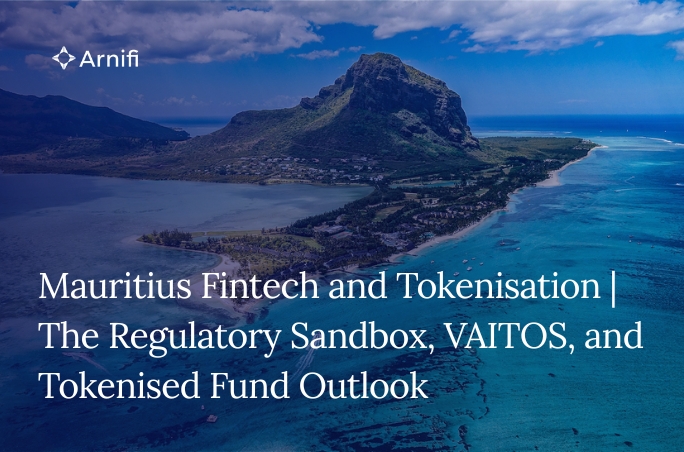
Mauritius fintech sandbox VAITOS tokenisation 2026 planning now needs a sharper route map. A founder may want to test a payments tool, launch a virtual asset platform, issue tokens, or build a tokenised fund.
These ideas sound close, but they do not fall under one licence. Mauritius has a sandbox path for innovation testing, a VAITOS framework for virtual asset services, and a VCC structure that can support fund activity. Choosing the wrong door can slow the project before launch.
Table of contents
Why The Licence Route Matters
Fintech projects often begin with one product idea and then grow into several regulated activities. A wallet may later add exchange services. A token project may start as a utility idea and become an investment product. A fund platform may want tokenised units, digital onboarding, or secondary transfer features.
Mauritius has tried to give innovators legal routes, not a free pass. The FSC Regulatory Sandbox Authorisation, or RSA, allows an applicant with a fintech, regtech, or innovation-driven financial services solution to apply to test or experiment under FSC supervision. The FSC guideline also states that there is no fee for submitting and processing an RSA application, and applications are submitted electronically on the FSC One Platform.
That makes the sandbox useful, but only when no full licence route already fits the activity.
Mauritius Regulatory Sandbox Licence RSL
Mauritius Regulatory Sandbox Licence RSL searches often refer to the older broader sandbox language, but fintech founders should now look carefully at the current regulator route. If the project is a financial services innovation, the FSC sandbox framework is likely the first serious checkpoint.
The sandbox is best used when the product needs controlled testing with real users and the normal rules do not fully match the model. It is not a shortcut to run a full crypto exchange, custody business, or public token offer without the right licence.
A useful example is a regtech tool that checks investor documents using AI and blockchain logs. It may need testing with limited users, clear controls, data protection checks, and a plan to exit or scale. A virtual asset exchange, however, should go straight into VAITOS licence analysis.
A Quick Overview of Sandbox, VAITOS, and VCC Routes
| Route | Best Fit | Main Control Point |
| FSC Sandbox Authorisation | Fintech, regtech, or new financial service models needing supervised testing | Test plan, user safeguards, risk controls, and exit route |
| VAITOS VASP Licence | Virtual asset exchange, custody, wallet transfer, advisory, broker-dealer, or marketplace activity | Licence class, senior executive, physical office, AML, systems, and client asset controls |
| ITO Registration | Initial token offering activity in or through Mauritius | White paper, legal opinion, virtual exchange route, and 45-day filing timeline |
| VCC Fund Structure | Multi-strategy fund platform using sub-funds and SPVs | FSC authorisation, sub-fund approval, segregation, fund rules, and investor disclosures |
| Tokenised Fund Layer | Fund interests or related rights represented digitally | Securities law, VAITOS angle, custody, transfer rules, AML, and investor reporting |
Virtual Asset And Initial Token Offering Services Act
The Virtual Asset and Initial Token Offering Services Act is the main law for virtual asset business in Mauritius. It states that no person may carry out VASP business in or out of Mauritius unless the person holds a VASP licence. Breach can lead to a fine of up to Rs 5 million and imprisonment for up to 10 years.
The Act also controls initial token offerings. An issuer must apply for registration through a virtual exchange in Mauritius or an equivalent route acceptable to the FSC at least 45 days before the offer period starts. The application needs a white paper and legal opinion, among other documents.
For founders, this means token wording matters. Calling something a “community token” will not help if the rights, fundraising purpose, trading plan, or investor promise look regulated.
Mauritius VASP Licence FSC
A Mauritius VASP licence FSC review should begin with the business activity. The VAITOS licence classes include:
- Class M for virtual asset broker-dealer activity
- Class O for wallet services
- Class R for custody
- Class I for virtual asset advisory services
- Class S for virtual asset marketplace activity
The Act also requires a VASP to have a physical office in Mauritius, and its business activities must be directed and managed out of Mauritius. The FSC may also look at management, infrastructure, staff competence, supervision arrangements, fit and proper controllers, and prudential standards before granting a licence.
Custody is especially sensitive. A VASP that has custody of client virtual assets must maintain enough virtual assets to meet obligations to clients, and those assets are not the property of the VASP or subject to its creditors’ claims.
Tokenised Fund Mauritius VCC
Tokenised fund Mauritius VCC planning is still developing, but the legal pieces are already interesting. A VCC is a body corporate that carries out business through sub-funds and special purpose vehicles. It also says a VCC needs FSC authorisation and that sub-funds can be approved as collective investment schemes or closed-end funds.
The same Act protects segregation. Assets of a sub-fund or SPV cannot be used to meet liabilities of the VCC or another sub-fund or SPV. That is useful for fund managers running different strategies under one platform.
The tokenisation angle comes through carefully. Amendments linked to VAITOS recognise that participating interests in a collective investment scheme can include an interest in the form of a virtual asset.
This does not mean a fund can freely tokenise and trade units. It means the legal file should review fund law, securities treatment, VAITOS duties, investor transfer rules, custody, AML, valuation, and disclosure together.
Common Mistakes Founders Should Avoid
- Treating the sandbox as a licence substitute. A sandbox test is not the same as authorisation to run a full market-facing business.
- Building the technology before classifying the activity. Exchange, custody, wallet transfer, advisory, ITO, and fund tokenisation can each need a different route.
- Ignoring Mauritius substance. A virtual asset business needs real local direction, management, office presence, and competent staff support.
- Underestimating investor protection. Token projects need clear risk disclosure, refund rules, smart contract review, valuation logic, and AML controls before launch.
Conclusion
Mauritius fintech planning is now a route-selection exercise, not a licence hunt. Sandbox, VAITOS, and VCC tools can all support innovation, but each solves a different problem. Arnifi helps founders connect product design, licensing, substance, and investor controls so tokenisation ideas can move with fewer regulatory blind spots.
FAQs:
1. What Is The Mauritius Regulatory Sandbox Route Used For?
It is used for fintech, regtech, or innovation-driven financial services solutions that need controlled testing where existing rules do not fully match the proposed model.
2. Does a Virtual Asset Business Need A VASP Licence In Mauritius?
Yes. The VAITOS Act requires a person carrying out VASP business in or out of Mauritius to hold the relevant VASP licence.
3. What Are The Main VASP Licence Classes In Mauritius?
The main classes cover broker-dealer activity, wallet services, custody, advisory services, and virtual asset marketplace activity.
4. Can a Mauritius VCC Support Tokenised Funds?
A VCC can support sub-funds and SPVs, and Mauritius law recognises that CIS participating interests may include interests in virtual asset form. Tokenised fund design still needs FSC, securities, VAITOS, custody, and AML review.
5. Is a Token Offering Allowed Without FSC Registration?
No. An initial token offering in or through Mauritius needs registration under the VAITOS framework before the offer period begins.
Top UAE Packages
Related Articles
Top UAE Packages
Get in Touch
