


 10 min read


The Family Iqama is a residence permit from the Saudi government. It allows foreign workers to bring their close family members to live with them in Saudi Arabia. The goal of this system is to keep families together and help expatriates feel supported while working in the country.
With the Family Iqama, eligible family members can legally stay in Saudi Arabia as long as the worker has a valid work permit. They can also use important services, just like Saudi citizens.
For foreign workers in Saudi Arabia, getting a Family Iqama is very important for many reasons. It helps them keep their family together while they work away from home. This provides them with stability and a sense of well-being. Having family around greatly improves the quality of life for these workers, boosting their social and emotional health.
Also, the Saudi government knows that family support is key to bringing and keeping skilled workers. By offering the Family Iqama, they want to create a friendly place for foreign workers and their families, helping to build a strong and diverse group of workers.
In addition, the Family Iqama gives peace of mind to both the worker and their family. It assures them that they can stay legally and have access to important services in Saudi Arabia. This is crucial due to the strict laws around residency and work in the Kingdom.
An individual Iqama, or work permit, is given to foreign employees who have jobs in Saudi Arabia. This permit allows them to live and work in the country as long as they have a job contract. However, their family members cannot automatically come to join them.
A Family Iqama is meant for the family members of foreign workers who already have a valid individual Iqama. This serves as a residence permit and lets dependents live with the foreign worker in Saudi Arabia.
The main difference is in their purpose and who can get them. An individual Iqama is for people with jobs. A Family Iqama depends on the worker’s eligibility and meeting the requirements set by the Saudi government.
To get a Family Iqama, foreign workers in Saudi Arabia need to meet some rules set by the government. These rules usually look at the job of the employee who is sponsoring, their salary, and how long their work contract lasts.
Other factors might also be looked at. This can include where the worker lives and if they are married. It is important to meet these requirements to start the application process for the Family Iqama.
The process to sponsor your family members for a Family Iqama in Saudi Arabia has several steps. First, the employee who will sponsor needs to get approval from their employer. After that, the employer will apply for a block visa from the Ministry of Foreign Affairs.
When the block visa is approved, the sponsoring employee must apply to the Ministry. They need to include the necessary documents for each family member. This usually means providing passports, marriage certificates if needed, and birth certificates for any children.
It is very important to follow these sponsorship requirements carefully. This can help prevent delays or problems with the Family Iqama application. It is a good idea to contact the Ministry of Foreign Affairs or get professional help to make sure you follow all the right steps.
In addition to sponsorship rules, showing financial stability is very important when applying for a Family Iqama. The Saudi government requires sponsors to have a certain income level to prove they can support their family members living in the country.
This usually means providing bank statements to show income and job stability. The amount of income needed can change based on the size of the family and other factors.
Also, having good housing is necessary for Family Iqama approval. The sponsor must show that they have found a proper place for their family members that meets the space requirements set by the government.
The application process for a Family Iqama in Saudi Arabia has a few important steps. First, the employer of the sponsoring employee starts the process. They usually apply for a block visa at the Ministry of Labor and Social Development.
After the block visa is approved, the sponsoring employee needs to collect all the important documents. They must fill out the application forms correctly. Finally, they will submit these forms to the Ministry of Foreign Affairs, either online or at their office.
Gathering the correct documentation is crucial for a smooth Family Iqama application. It is essential to ensure all required documents are up-to-date, translated into Arabic by an authorized translator, and appropriately attested.
Here is a table outlining the typical documentation needed:
| Document | Description |
| Passports | Original and copies of valid passports for all family members. |
| Visa Application Forms | Completed and signed application forms for each family member. |
| Iqama Application Form | Completed and signed Family Iqama application form. |
| Photographs | Recent passport-size photographs of all family members meeting Saudi Arabia’s specifications. |
| Marriage Certificate | Original and attested copy of the marriage certificate (if applicable). |
| Birth Certificates | Original and attested copies of birth certificates for all dependent children. |
| Medical Reports | Medical reports for all family members from an approved clinic or hospital in Saudi Arabia. |
| Employment Contract | Copy of the sponsoring employee’s employment contract. |
| Housing Contract | Proof of suitable housing arrangements in Saudi Arabia. |
Additionally, there might be specific requirements based on the applicant’s nationality or circumstances.
Make sure to follow all rules and keep in touch with the authorities during the application process.
To avoid problems when applying for the Family Iqama, pay attention to these common mistakes:
By carefully reviewing your application and making sure you meet all the requirements, you can greatly reduce the chances of facing issues. If you have complex situations or doubts, it’s a good idea to get advice from a lawyer who knows Saudi immigration law well.
It is important to keep the Family Iqama valid. You should renew it before it expires. This helps you avoid penalties and stay legally in Saudi Arabia.
If you have any changes in your personal or family information, make sure to update them quickly. This should be done with the right government agencies, like the General Directorate of Passports (Jawazat) and the Ministry of Interior.
The Family Iqama is usually valid for one year. It is a good idea to start renewing it at least one month before it expires. Waiting too long can lead to fines and other issues.
Renewal Checklist:
Once processing is complete, the renewed Family Iqama will usually be sent electronically.
Life events require us to update the Family Iqama. We need to do this to show what is true at the moment. This includes changes like a new address, having a baby, or changes to the family. It’s important to let the right authorities know.
To add a new baby to the Family Iqama, you usually apply through the Saudi Ministry of Labor. You must also provide important papers, like the baby’s birth certificate and passport.
It’s best to update your information before the Iqama expires. If you wait until you need to renew it, there could be delays. If you’re unsure about how to update Family Iqama details, it is good to ask the Jawazat for help or consult experts in Saudi immigration.
In conclusion, knowing the Family Iqama requirements in Saudi Arabia is very important for expatriates who want to move their families to the country. The eligibility criteria, application steps, and renewal processes can be tricky but also rewarding. To get and keep a Family Iqama, you need to ensure financial stability, have the right documents, and meet sponsorship rules. By staying updated and proactive, expatriates can enjoy benefits like education, healthcare services, and job opportunities for their family members. If faced with delays or rejections, it’s a good idea to address these issues quickly and look into legal options for resolving disputes. Understanding the rights and responsibilities that come with the Family Iqama will help create a successful and satisfying experience for your loved ones in Saudi Arabia.
1. How long does Family Iqama processing take?
Typically 2–6 weeks, depending on documentation.
2. Can dependents work on Family Iqama?
No, a separate work permit is required.
3. Is health insurance mandatory?
Yes, valid insurance is required for issuance and renewal.
4. What happens if Family Iqama expires?
Overstay fines apply and renewal becomes more complex.
5. Can I add a newborn later?
Yes, through a separate dependent addition process.
Arnifi is digital first Corporate service provider helping companies enter the Middle East region, starting with UAE and Saudi Arabia markets. Founded and backed by professionals from Amazon, Souq and other large companies operating in KSA the team understands what it takes to succeed as a startup in both UAE and Saudi Arabian markets, apart from going through the setup process multiple times. Arnifi will provide a truly digital experience to entry and scale up of companies both UAE and Saudi Arabia. Discover tailored solutions and strategic partnerships that propel your business forward. Check out at – www.Arnifi.com for more details.
To check out our products and services, click here.
Discover business setup packages tailored to your needs
Explore Packages
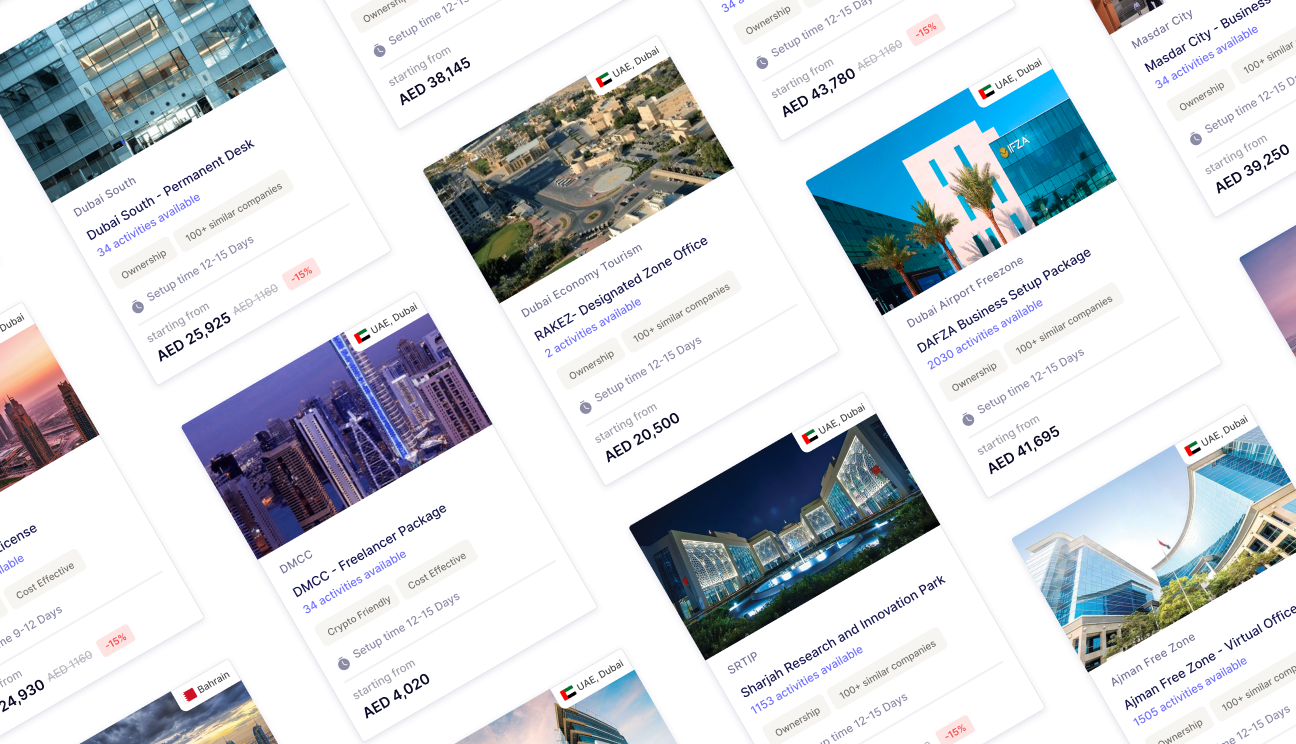
Share your details and our experts will suggest the best options for your goals.
 Book a Free Call
08 May 2026 — 6 min read

05 May 2026 — 8 min read
06 Apr 2026 — 6 min read
06 Apr 2026 — 5 min read

02 Apr 2026 — 6 min read

02 Apr 2026 — 6 min read
 ChatGPT
 Perplexity