
Crypto-Native Families | Choosing the Right Trust Structure
by Anushka Basu May 11, 2026  6 MIN READ


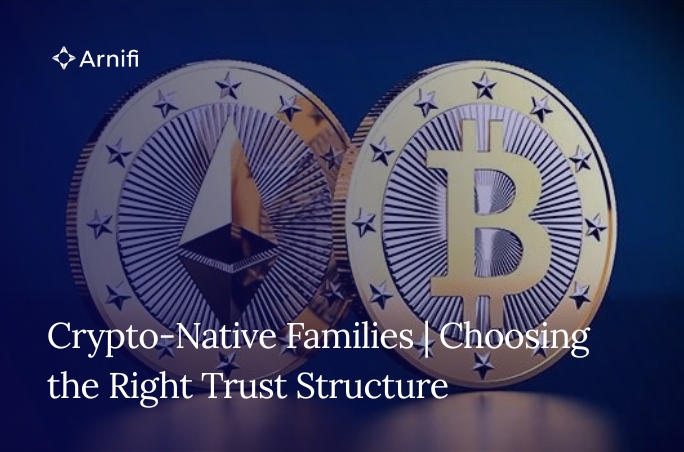
A crypto family trust helps Web3 families organise wallet access, digital asset ownership, inheritance planning and long-term governance. Crypto wealth can move fast, but family planning often moves slowly.
That gap creates risk. A wallet may hold Bitcoin, Ether, stablecoins, NFTs or token allocations, but without clear control rules, heirs may not know how to access or manage those assets.
For crypto-native families, the trust structure must solve two problems at once: legal ownership and practical key control.
Table of contents
Why Crypto Wealth Needs Special Planning
Digital assets are different because access often depends on private keys, seed phrases, exchange accounts or multi-signature wallets. A normal inheritance plan may name beneficiaries, but it may not explain how they can access assets safely. If key recovery fails, the legal right to inherit may not be enough.
Crypto assets are also highly visible in some ways and deeply private in others. Wallet movements can be traced, but the person with the private key may still control the asset in practice. That is why digital asset trust planning needs legal documents, technical controls and family governance working together.
Virtual assets are digital representations of value that can be traded, transferred or used for payment, excluding digital representations of fiat currencies. They can also be volatile and exposed to scams, cyberattacks and weak regulation in many markets.
Quick Trust Structure View
| Planning area | Why it matters |
| Wallet ownership | The trust documents should match wallet control and exchange records |
| Key recovery | Heirs need access rules without exposing seed phrases too early |
| Trustee powers | The trustee may need authority to hold, sell, stake or transfer digital assets |
| Tax records | Digital asset sales, swaps and income may trigger reporting |
| NFT trust planning | NFTs may need separate valuation, IP and custody rules |
| Family governance | Beneficiaries need rules for long-term control and education |
What a Crypto Family Trust Should Hold
A trust can hold digital assets directly, through a custodian, through an underlying company or through a foundation-style structure, depending on jurisdiction and advice. Direct wallet holding may look simple, but it can create trustee risk if the trustee is not comfortable managing keys or volatile assets.
A custodian may reduce key-control risk, but it can create platform, jurisdiction and onboarding questions. An underlying company may help separate the trust deed from day-to-day wallet operations. The right structure depends on asset value, trading activity, beneficiary needs and tax exposure.
This is especially important for NFT trust planning. NFTs may include:
- Artwork
- Gaming assets
- Music rights
- Domain names
- Membership rights.
The token and the related intellectual property rights may not always be the same thing.
Trustee Powers Need Careful Drafting
A standard trust deed may not give the trustee enough comfort to manage digital assets. Crypto assets may need powers for:
- Wallet creation
- Custodian appointment
- Staking
- Governance voting
- Token swaps
- Cold storage
- Exchange onboarding
- Sale during market stress
Cayman trust law includes reserved powers that can allow a settlor or another person to hold certain powers without automatically invalidating the trust. These can include powers linked to trustees, protectors, beneficiaries, governing law or consent requirements over trustee powers.
Reserved powers may help when the founder understands crypto better than the trustee. Still, too much founder control can create tax, asset protection or validity concerns. The deed should balance founder expertise with real trustee administration.
Key Recovery Trust Planning
A key recovery trust must protect two outcomes. First, the assets should not be lost if the founder dies or becomes incapacitated. Second, no one should get early access that allows theft, conflict or misuse.
A good key plan may use multi-signature wallets, sealed instructions, professional custody, split access, hardware wallets or staged disclosure. The trust deed should not publish seed phrases or sensitive access information. Those details should usually sit in a secure access protocol managed by legal, fiduciary and technical advisers.
The key recovery plan should answer:
- Who can trigger access after death or incapacity?
- Who verifies the event before keys are released?
- Which wallets are covered by the plan?
- Which assets should be sold, held or transferred?
- How will records be kept for tax and beneficiaries?
Without these answers, crypto inheritance can become a race between heirs and exchanges.
Tax and Reporting Risks
Crypto does not become simple because it sits in a trust. Digital assets may need tax reporting depending on the country linked to the settlor, trustee, beneficiaries or asset activity. In the US, digital assets are treated as property for federal income tax purposes, and income linked to digital assets is taxable. Digital asset transactions may also need to be reported on tax returns.
Families should track acquisition dates, wallet addresses, cost basis, transfers, swaps, staking rewards, NFT sales and custody fees. Poor records can create tax issues later, especially when beneficiaries live in different countries.
A trust can help organise ownership, but it does not remove tax duties. The tax position should be reviewed before assets move into the structure.
Conclusion
Arnifi has years of experience helping Web3 founders and families organise crypto family trust planning with practical clarity. We support entity setup, documentation coordination, compliance preparation and banking support.
Our team helps map wallets, ownership records, succession goals and governance needs so legal, tax and fiduciary advisers can build the structure with fewer gaps.
FAQs:
1. What is a crypto family trust?
It is a trust designed to hold or control digital assets for family wealth planning. It usually covers wallet access, trustee powers, beneficiaries, tax records and succession rules.
2. Can a trust hold NFTs?
Yes, a trust may hold NFTs if the trustee, deed and custody setup allow it. NFT valuation, intellectual property rights and transfer records should be reviewed first.
3. What is a key recovery trust?
It is a trust plan that includes secure rules for accessing wallets after death, incapacity or another defined event. It should protect assets without exposing keys too early.
4. Does a crypto trust avoid tax?
No. A trust does not remove tax duties. Digital asset gains, income, staking rewards, swaps and transfers may still need reporting based on the countries linked to the structure.
Top UAE Packages


Related Articles

Top UAE Packages
Get in Touch