
The Cayman Financial Sector Reform | Improvements in Transparency and Accountability

Anushka
Content Writer
Anushka Basu is a business content writer specialised in global business market insights. She aims to simplify complex regulatory, financial, and business concepts into… Read more


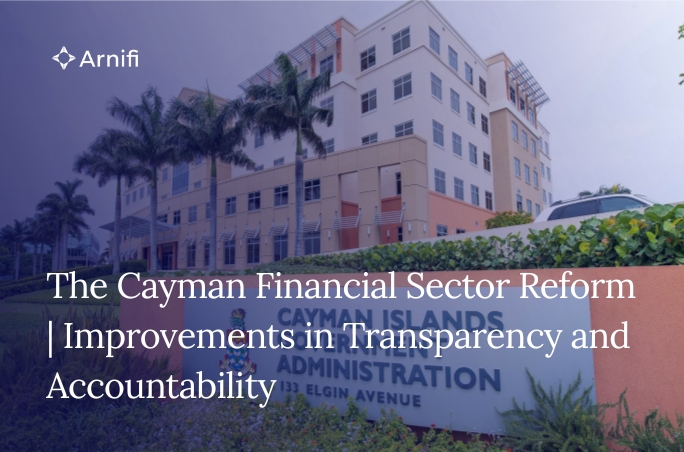
The Cayman financial sector has rolled out a big set of changes meant to boost openness and responsibility across its finance services, and it’s kind of a mix of careful lawmaking and reaction to global pressure. These laws tighten the Anti-Money Laundering and Counter-Financing of Terrorism rules, and by aligning with international expectations, the islands keep being seen as a top, well-regulated place for investment funds, private equity and large institutional funds.
Table of contents
Introduction
Cayman keeps pushing ahead in global finance mostly because of its proactivity with rules. The recent package is a joint push by the Government and the Cayman Islands Monetary Authority to sharpen oversight, though sometimes the steps seem small and scattered. The changes aim to satisfy international regulators and investors who want more transparency and ethical governance, while also keeping the market attractive.
The financial sector in Cayman is central to the economy, and these moves are meant to protect its future. By fixing gaps in who owns what, and giving local supervisors stronger reach, the islands are signalling a preference for quality over secrecy, so they stay on lists that matter and are attractive to sophisticated financial activities.
What are the Main Pillars of the Cayman Transparency Updates?
The reform bundle stands on several legal points that cater everyone involved, from fund managers to corporate service teams.
Improved beneficial owner rules
A key update merges previous ownership laws into one act, so authorities have a single source of truth on who really owns corporate entities. The register is still limited to authorised staff and law enforcement, but better data should lower the chances of negative portrayal.
Stronger AML and CFT supervision
Cayman has been through deep reviews to make its AML/CFT systems stronger. The reforms give CIMA enforcement powers, for instance, the capacity to set heftier administrative fines when firms do not comply. Financial firms must check on what are labelled high-risk transactions and keep detailed records of how they assess risk.
Rules for investment funds have changed
As a leading home for offshore funds, Cayman updated the Private Funds Act and the Mutual Funds Act. The changes push for better governance of funds. Directors and operators face higher duties on valuation, safekeeping of assets and filing audited statements on time.
What Role Does CIMA Play?
CIMA now has an expanded role, doing more thematic reviews that target things like virtual asset service providers and complex insurance setups. This forward-looking supervision tries to spot emerging problems before they can affect the sector.
International cooperation is central. Cayman continues to share tax and regulatory data with partners through treaties, and this openness helps keep the trust of the EU, FATF and OECD, reducing the risk of punitive blacklisting that would disrupt capital flows.
What are the Effects on Private Equity and Wealth Management?
Investors have mostly welcomed the reforms. In private equity and family office circles, transparency is increasingly seen as a way to reduce risk rather than a burden. Investors are more willing to place capital where rules seem robust enough to prevent fraud and institutional collapse.
For wealth managers, the new accountability gives clearer rules for handling client assets. The focus on professional scepticism and stronger due diligence helps Cayman-based advisors protect clients’ reputations while following global compliance norms.
Is there a Shift into Digital Dependency?
The sector is also adapting to digital assets. The Virtual Asset (Service Providers) Act now makes crypto entities meet similar standards to banks, including travel rule compliance, which requires sharing originator and beneficiary details for virtual transfers. Giving legal clarity to digital assets attracts fintech innovators searching for a mix of innovation and sensible rules.
What are the Administrative Duties for Staying Compliant?
Operating within the reformed Cayman framework means disciplined corporate governance. Firms should align internal rules with the latest CIMA guidance notes. This includes periodic risk assessments moving beyond checkbox compliance, more staff training so employees spot AML red flags, reporting duties, and independent audits by third parties to check internal controls actually work.
| Compliance Area | Core Requirement | Regulatory Goal |
| Beneficial Ownership | Timely filing of owner data. | Eliminate corporate anonymity. |
| Audit & Valuation | Annual independent verification. | Protect investor capital. |
| AML Reporting | Appointment of a dedicated MLRO. | Prevent illicit financial activity. |
| Economic Substance | Demonstration of local activity. | Ensure tax transparency. |
Also Read:
FAQs
What is the main goal of the Cayman financial sector reforms?
The main aim is to boost clarity and answerability ensuring the territory meets global AML/CFT rules and keeps its international standing, it’s about being clearer, and also more accountable.
Are beneficial ownership registries public in Cayman?
Not really, the registry is only open to competent authorities and law enforcement, although the government said it will look into ways for public access later.
How do these reforms affect investment funds?
Funds now face tougher rules about governance, keeping assets safe and yearly audits so investors get better protection, and some reporting lines were also changed to be more direct.
What happens if a firm fails to comply with CIMA regulations?
CIMA can levy administrative fines, suspend licences or even make public censure, against entities that don’t follow the rules.
Does Cayman regulate cryptocurrency?
Indeed so, the Virtual Asset Service Providers Act gives a specific framework for businesses dealing with digital assets.
Conclusion
The ongoing change in the Cayman financial area highlights the islands resilience and forward thinking. By taking on transparency and institutional responsibility, the Cayman Islands are not only following global trends, they are in some ways creating new ones. These changes give a safer, more predictable and ethical place for global capital. Mostly by helping the islands stay a leading force in international finance for years to come.
At Arnifi, we work through the details of offshore compliance and company setup, helping clients align with current Cayman standards. Partner with Arnifi to ensure your financial structures are built on a base of clarity and excellence in the Cayman!.
Top UAE Packages


Related Articles


Top UAE Packages
Get in Touch