
VASP Partial Exemption Regime Extension | Mauritius Pushes to Become Africa’s Crypto Hub
by Rifa S Laskar May 26, 2026  8 MIN READ


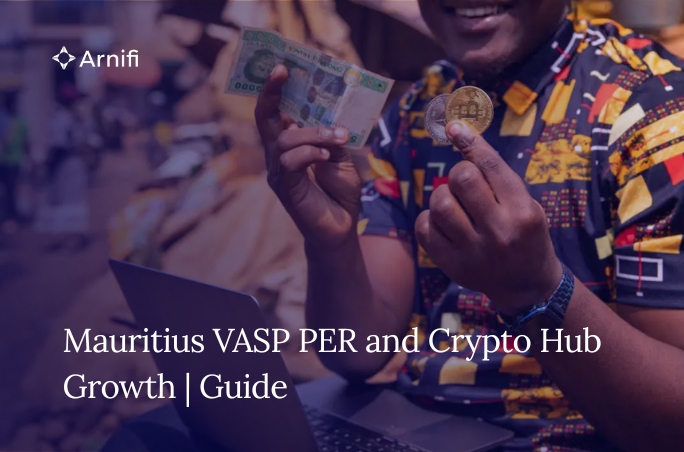
Mauritius is quietly positioning itself as a serious digital asset jurisdiction. The extension of the partial exemption regime for virtual asset operators is not just a tax change. It signals a wider policy direction. Businesses handling exchange, transfer, and safekeeping activities are now looking at Mauritius with fresh interest because the framework combines licensing clarity with tax efficiency. This blog explains how the Mauritius VASP Partial Exemption 80% crypto framework works, why the FSC is tightening supervision while encouraging innovation, and how the country is building credibility as a regulated crypto gateway into Africa for founders, fintech groups, and cross-border digital asset operators.
Table of contents
- Why is Mauritius Extending Tax Relief for VASPs?
- How Does the Partial Exemption Regime Actually Work?
- What Activities Fall Under the VASP Framework?
- Why Are Crypto Companies Looking at Mauritius Instead of Other Jurisdictions?
- Is FSC Licensing Becoming More Important for Digital Asset Businesses?
- Can Mauritius Realistically Become Africa’s Crypto Hub?
- What Should Founders Consider Before Applying?
- Where Does Arnifi Fit Into the Process?
- Conclusion
- FAQs
Why is Mauritius Extending Tax Relief for VASPs?
Mauritius has spent years building its reputation as an international financial centre. Now the focus is shifting toward digital assets. The government and the Financial Services Commission are trying to attract legitimate crypto businesses without turning the country into a loosely regulated offshore market.
The extension of the partial exemption regime matters because tax treatment often decides where digital asset companies establish operations. A founder comparing Dubai, Singapore, Mauritius, or parts of Europe will always look at three things first:
- Licensing clarity
- Banking access
- Effective tax exposure
That is exactly where the Mauritius VASP Partial Exemption 80% crypto framework enters the picture.
The policy gives qualifying operators a substantial partial exemption on certain income streams, reducing effective tax exposure while still keeping companies inside a regulated environment. At the same time, the FSC continues to push licensing standards, compliance checks & governance expectations higher.
For founders planning long-term operations, this combination sends a clear message. Mauritius wants regulated crypto activity, not speculative chaos.
How Does the Partial Exemption Regime Actually Work?
The partial exemption regime, often called PER, allows qualifying entities to benefit from an 80% exemption on specific categories of income if prescribed conditions are satisfied.
For virtual asset businesses, this can significantly reduce effective corporate taxation when operations are structured properly and substance requirements are met.
The important point is this, the regime is not automatic.
Companies still need:
- Proper FSC authorisation
- Demonstrable economic substance
- Local compliance processes
- Accounting and reporting controls
- Governance standards that match regulatory expectations
This is why many founders misunderstand the structure. A low-tax result alone is not the objective. Mauritius is trying to create regulated digital finance businesses that can survive institutional scrutiny.
That is also why the phrase Virtual Asset Service Provider Mauritius PER has started appearing more frequently in cross-border structuring discussions among fintech advisors and fund operators.
What Activities Fall Under the VASP Framework?
The Mauritius framework does not only apply to crypto exchanges.
The FSC recognises several categories of virtual asset activity. This includes businesses involved in:
- Exchange services
- Digital asset transfer services
- Safekeeping and administration
- Custodian wallet operations
- Brokerage activities
- Advisory and issuer-related services
That is where the secondary keyword Mauritius VASP exchange transfer safekeeping becomes important in practice. Different operational models may require different licence categories, compliance obligations, and internal control frameworks.
For example, a company merely facilitating transfers may face different operational requirements from a business providing custody or wallet safekeeping services.
This distinction matters because regulators globally are paying closer attention to custody risk after multiple exchange failures in international markets.
Mauritius appears to be responding by balancing innovation with supervision instead of taking a completely unrestricted approach.
Why Are Crypto Companies Looking at Mauritius Instead of Other Jurisdictions?
Several reasons explain the growing interest. First, Mauritius already has an established financial services ecosystem. This gives digital asset operators access to professionals familiar with compliance, fund structuring, cross-border tax planning & corporate administration.
Second, the jurisdiction has experience working with international investors entering African markets. That positioning supports the broader narrative around Mauritius crypto hub Africa ambitions.
Many fintech groups see Mauritius as a bridge jurisdiction. Operations can be coordinated from Mauritius while serving clients or counterparties across parts of Africa, the Middle East & Asia.
Third, regulators in many countries still remain uncertain about crypto frameworks. Mauritius, despite tightening standards, has at least created a recognisable licensing route.
That predictability matters more than aggressive marketing slogans. Founders usually prefer clarity over hype.
Is FSC Licensing Becoming More Important for Digital Asset Businesses?
Absolutely. The days of lightly documented crypto operations are fading quickly. Institutional counterparties, payment providers, auditors, and even venture investors now ask detailed questions about licensing status and compliance controls before engaging with virtual asset companies.
That makes FSC VASP licensing in Mauritius a major commercial issue, not just a regulatory checkbox.
The FSC expects applicants to demonstrate:
- AML and CFT controls
- Risk management systems
- Beneficial ownership transparency
- Cybersecurity safeguards
- Internal governance procedures
- Ongoing reporting capabilities
In practical terms, this means serious operators are more likely to benefit from the regime than lightly structured startups with weak compliance discipline. That is intentional.
Mauritius appears focused on attracting credible operators that can contribute to the long-term financial ecosystem rather than short-term speculative inflows.
Can Mauritius Realistically Become Africa’s Crypto Hub?
The opportunity exists, but competition is real. Dubai remains aggressive. Singapore still carries institutional prestige. Several African jurisdictions are also exploring digital asset regulation.
Mauritius, however, has one advantage that many markets lack. It already understands international financial structuring.
That experience gives the jurisdiction credibility with investors, administrators, legal advisors, and multinational groups.
The success of the Mauritius VASP Partial Exemption 80% crypto approach will depend on whether regulators maintain the right balance between innovation and credibility. If compliance becomes too heavy, smaller operators may look elsewhere. If regulation becomes too relaxed, institutional confidence may disappear. The current direction suggests Mauritius is trying to stay somewhere in the middle. That middle ground may ultimately become its strongest advantage.
What Should Founders Consider Before Applying?
Many founders focus heavily on licensing timelines and tax outcomes while ignoring operational readiness. That creates problems later.
Before entering the Mauritius market, businesses should evaluate:
- Substance expectations
- Local staffing needs
- Compliance infrastructure
- Banking relationships
- Technology governance
- Audit readiness
- Ongoing reporting obligations
Digital asset regulation is becoming more interconnected globally. Weak controls in one jurisdiction can affect partnerships, banking access, and fundraising elsewhere.
A Mauritius structure works best when treated as a real operating jurisdiction rather than a paper registration exercise.
Where Does Arnifi Fit Into the Process?
Setting up a compliant virtual asset structure involves more than incorporation paperwork. Businesses often need coordinated support across licensing preparation, compliance planning, accounting, tax structuring & operational setup.
Arnifi works with founders and international businesses exploring regulated market entry across multiple jurisdictions.
For VASP applicants, the practical challenge is usually not understanding the regulation itself. The challenge is aligning licensing, tax planning, governance, and operational substance into one workable structure.
That coordination becomes especially important when dealing with FSC engagement, documentation preparation & ongoing compliance obligations tied to the partial exemption regime.
Conclusion
Mauritius is not trying to become a speculative crypto playground. The strategy appears far more deliberate than that.
The extension of the partial exemption regime shows that the country wants regulated digital asset operators that bring long-term business activity, governance standards, and international credibility.
The Mauritius VASP Partial Exemption 80% crypto structure may continue attracting attention because it combines licensing clarity with meaningful tax efficiency inside a recognised financial services environment.
For founders evaluating expansion into Africa or building cross-border digital asset operations, Mauritius is becoming harder to ignore.
The key, however, is approaching the jurisdiction properly. Licensing strategy, compliance readiness, and operational substance now matter just as much as tax treatment.
That is where experienced structuring and setup guidance can make the difference between a delayed application and a sustainable regulated business.
FAQs
Does Mauritius offer tax benefits for VASP companies?
Yes, qualifying VASPs may access partial exemption benefits subject to regulatory and substance conditions.
Is FSC approval mandatory for crypto businesses in Mauritius?
Most regulated virtual asset activities require FSC licensing or authorisation.
Does the framework cover crypto custody services?
Yes, safekeeping and custodial wallet services fall within regulated VASP activities.
Why is Mauritius attracting crypto businesses?
The combination of regulation, tax efficiency & international finance expertise is driving interest.
Can Mauritius support Africa-focused crypto operations?
Many businesses view Mauritius as a gateway jurisdiction for regional expansion into Africa.
Top UAE Packages


Related Articles
Top UAE Packages
Get in Touch