
Fair Market Conduct in Mauritius | What Businesses Are Expected to Do
by Rifa S Laskar May 11, 2026  7 MIN READ


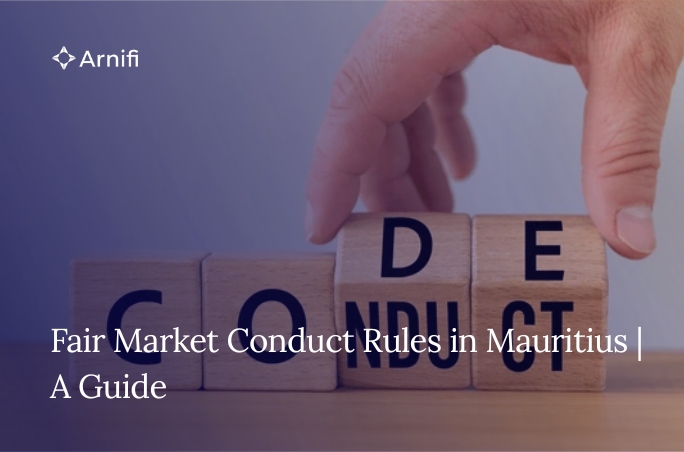
Fair market conduct in Mauritius is no longer treated as a basic compliance issue. Regulators now expect financial services firms to show fairness in client dealings, disclosures, sales practices, internal controls, and complaint handling. This blog explains what businesses are actually expected to do under evolving conduct expectations in Mauritius, especially within regulated financial sectors. It breaks down how conduct standards affect founders, management teams, and licensed entities in practical terms. The article also explains why conduct failures create long-term reputational risks and how firms can build stronger internal practices before regulatory attention becomes a problem.
Table of contents
- Introduction
- Why Are Regulators in Mauritius Paying More Attention to Market Conduct?
- What Does Fair Market Conduct Actually Mean for a Business?
- How Do Conduct Failures Usually Happen Inside Firms?
- What Are Regulators Expecting From Directors and Senior Management?
- How Can Businesses Improve Market Conduct Practices Without Creating Heavy Bureaucracy?
- Why Does Market Conduct Matter for Reputation and Growth?
- How Can Arnifi Support Businesses Operating in Mauritius?
- Conclusion
- FAQs
Introduction
Many financial businesses focus heavily on licensing, tax planning, and operational setup. Conduct obligations often receive attention only after a complaint, inspection, or internal issue appears. That approach creates unnecessary risk. In Mauritius, regulators increasingly expect firms to prove that clients are treated fairly throughout the business relationship & not only during onboarding. A practical review of conduct practices, internal policies, disclosures & communication standards can help businesses avoid future regulatory pressure. For founders and directors, understanding fair market conduct in Mauritius expectations is becoming part of running a sustainable financial services operation, rather than simply satisfying a compliance checklist.
Why Are Regulators in Mauritius Paying More Attention to Market Conduct?
The regulatory environment in Mauritius has matured significantly over the years. Financial regulators are no longer focused only on licensing structures or reporting obligations. Greater attention is now placed on how businesses behave in the market.
That includes:
- Client communication
- Product disclosures
- Complaint handling
- Sales practices
- Internal governance
- Conflicts of interest
- Transparency in fees and risks
The reason is straightforward. A licensed entity can still create serious problems for consumers or investors if business practices are misleading or unfair.
The idea behind fair market conduct in Mauritius standards is not simply punishment after misconduct occurs. The bigger goal is prevention. Regulators want firms to build systems that reduce the chance of client harm from the beginning.
For management teams, this changes how compliance should be viewed internally. Conduct is no longer only a legal issue. It becomes part of brand trust and operational credibility.
What Does Fair Market Conduct Actually Mean for a Business?
Many founders assume market conduct rules apply only to large financial institutions. In practice, smaller firms, investment businesses, insurance intermediaries, management companies & fintech operators are also expected to follow proper conduct standards.
At a practical level, fair conduct usually means:
Clear communication with clients
Businesses should explain products, risks, fees & obligations in language clients can reasonably understand.
Honest marketing practices
Promotional claims should not exaggerate outcomes or hide material risks.
Proper handling of complaints
Complaints should be documented, investigated & resolved within reasonable timelines.
Fair treatment across the client lifecycle
Fairness is expected before onboarding, during service delivery & even during account closure or dispute resolution.
Internal accountability
Senior management should know how client-facing teams operate and whether misconduct risks exist.
The FSC market conduct rules in the Mauritius framework continue moving toward stronger accountability in these areas.
How Do Conduct Failures Usually Happen Inside Firms?
Most conduct failures do not begin with fraud. They often start with weak processes that slowly become accepted internally.
Common examples include:
- Sales teams overpromising returns
- Incomplete disclosures during onboarding
- Poor recordkeeping
- Delayed complaint responses
- Incentive structures encouraging aggressive selling
- Staff misunderstanding regulatory obligations
- Compliance policies exist only on paper
Over time, these issues can create regulatory concerns, reputational damage, or client disputes.
This is why regulators increasingly look beyond formal policies. Businesses are expected to demonstrate how policies actually work in practice.
For many firms, the real challenge is cultural. Conduct standards become difficult to maintain when commercial pressure outweighs internal controls.
What Are Regulators Expecting From Directors and Senior Management?
Responsibility for conduct does not sit only with compliance teams.
Directors and senior management are expected to oversee how the business operates at a behavioural level. As regulators increasingly examine whether the leadership teams actively monitor conduct risks instead of reacting only after incidents occur.
That includes questions like:
- Are complaints reviewed regularly?
- Are disclosures understandable?
- Are conflicts of interest documented?
- Are sales practices monitored?
- Are client risks escalated internally?
- Is staff training updated properly?
The financial services conduct standards Mauritius environment places growing emphasis on governance responsibility.
A business cannot claim ignorance simply because misconduct happened at an operational level.
How Can Businesses Improve Market Conduct Practices Without Creating Heavy Bureaucracy?
Many founders worry that stronger compliance automatically means slower operations. That assumption is often incorrect.
In practice, better conduct systems usually improve operational clarity.
Several practical steps help firms strengthen conduct standards without overcomplicating internal processes:
Review client-facing documents
Many onboarding forms and disclosures are unnecessarily technical. Simpler language reduces misunderstanding.
Create complaint tracking systems
Even small businesses should maintain structured complaint records and escalation procedures.
Train staff regularly
Teams handling clients should understand both regulatory obligations and practical communication expectations.
Monitor incentives carefully
Aggressive sales targets often create hidden conduct risks.
Test disclosures internally
If staff members struggle to explain a product clearly, clients probably will too.
These steps support stronger fair market conduct Mauritius alignment while improving overall operational discipline.
Why Does Market Conduct Matter for Reputation and Growth?
Conduct issues spread quickly in financial services markets.
A single complaint, regulatory investigation, or public dispute can damage years of credibility. This becomes especially important for businesses operating internationally through Mauritius structures.
Investors, counterparties & institutional partners increasingly examine governance and conduct history before entering commercial relationships.
Strong conduct practices help businesses:
- Build investor confidence
- Reduce regulatory friction
- Improve client retention
- Strengthen operational stability
- Protect long-term brand value
Good conduct is becoming commercially valuable, not only legally necessary.
How Can Arnifi Support Businesses Operating in Mauritius?
Arnifi supports founders, financial businesses, and international operators navigating regulatory and operational requirements across jurisdictions, including Mauritius.
This includes assistance with:
- Business setup support
- Regulatory structuring guidance
- Compliance coordination
- Governance planning
- Operational documentation
- Licensing preparation support
As conduct expectations continue evolving, businesses increasingly need practical operational guidance rather than generic compliance templates. Early preparation usually reduces future regulatory pressure and operational disruption.
Conclusion
Market conduct standards in Mauritius are moving toward greater accountability, transparency, and governance oversight. Regulators expect businesses to demonstrate fairness not only in policies but also in day-to-day operations.
For founders and management teams, conduct should no longer be treated as a secondary compliance issue handled only during audits or inspections. Clear disclosures, proper governance, fair client treatment & accountable leadership now form part of sustainable business operations.
Businesses that strengthen internal conduct practices early are generally better positioned for long-term credibility, regulatory confidence & commercial growth. As regulatory expectations continue developing, operational discipline and ethical conduct will increasingly separate resilient firms from reactive ones.
FAQs
What is fair market conduct in Mauritius?
It refers to business practices that ensure fairness, transparency & proper treatment of clients within regulated sectors.
Who monitors market conduct in Mauritius?
The Financial Services Commission oversees conduct expectations within regulated financial services activities.
Why do conduct standards matter for financial businesses?
Poor conduct practices can lead to regulatory action, reputational damage, and client disputes.
Do small firms also need conduct frameworks?
Yes. Conduct obligations apply across many regulated financial activities, regardless of company size.
What is the purpose of FSC market conduct rules in Mauritius?
The framework aims to improve transparency, accountability, and client protection across the financial services sector.
Top UAE Packages


Related Articles

Top UAE Packages
Get in Touch