
UAE Dh160 Billion Energy Plan | A New Era of Growth and Opportunity

Anushka
Content Writer
Anushka Basu is a business content writer specialised in global business market insights. She aims to simplify complex regulatory, financial, and business concepts into… Read more


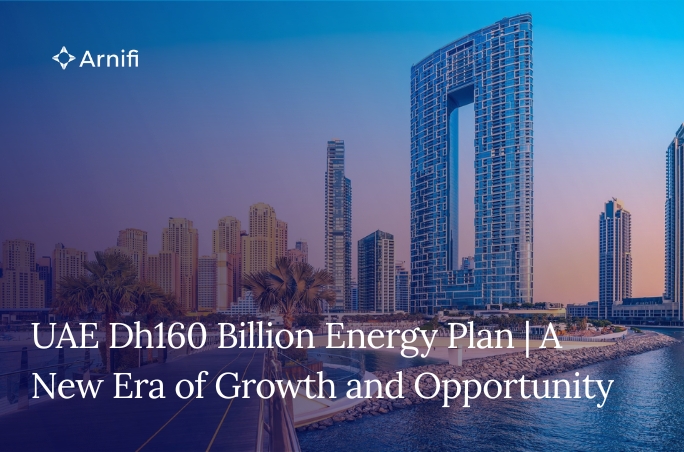
The UAE is accelerating its transition to a sustainable future with a landmark Dh160 billion energy plan. The nation is investing a large amount to strengthen its innovation. Infrastructure and clean energy are driving long-term economic growth and regional business resilience.
Table of contents
- The Scope of the Dh160 Billion UAE Energy Investment
- Strategic Focus Areas for Clean Power
- How Does This UAE Energy Investment Benefit the Private Sector?
- What are the Opportunities for SMEs in this UAE Energy Investment?
- Aligning with the Net-Zero 2050 Agenda
- Is This the Largest UAE Energy Investment in History?
- Innovation and Grid Modernisation
- Boosting Economic Resilience through UAE Energy Investment
- Conclusion
- FAQs
The Scope of the Dh160 Billion UAE Energy Investment
The nation demonstrates its commitment to long-term development through this capital allocation announcement. The UAE energy investment of Dh160 billion will completely transform the energy system. By decreasing dependence on conventional energy sources while expanding renewable energy production. The government-backed investment enables global investors to establish a trustworthy power grid that meets the requirements of fast industrial and urban development.
Strategic Focus Areas for Clean Power
The capital is being used to create a diversified portfolio. This includes nuclear power plants, solar energy facilities, and waste-to-energy systems. The UAE protects its economy from international price fluctuations by creating an energy portfolio that includes multiple power sources. The primary goal driving this UAE energy investment is to ensure that the nation’s industries have access to affordable, reliable, and clean power. Thus becoming the foundational requirement for the Operation 300bn industrial strategy.
How Does This UAE Energy Investment Benefit the Private Sector?
The UAE energy investment generates multiple business opportunities, which proceed to create additional commercial prospects. The Engineering Procurement and Construction (EPC) sector witnesses a surge in demand for specialised services to meet the needs of private companies. The government creates a collaborative business environment by directing its implementation projects to the private sector, which helps all sectors, including consulting, legal advisory and project management, to flourish.
What are the Opportunities for SMEs in this UAE Energy Investment?
Small and Medium Enterprises (SMEs) are the backbone of the supply chain in this UAE energy investment. While giga-projects are led by large firms, there is a substantial market for local SMEs to provide niche technology solutions, maintenance services, logistics support, and component manufacturing. The investment will remain with local enterprises. Why so? Because government programs such as In-Country Value (ICV) programs mandate that a certain percentage of the investment goes to domestic businesses.
Aligning with the Net-Zero 2050 Agenda
The UAE is not just planning for the next five years; it is planning for the next five decades. The UAE energy market will undergo a significant transformation through this investment, which serves as a key element of the Net-Zero 2050 strategic plan. The country supports local businesses to achieve better ESG (Environmental, Social, and Governance) scores through its power sector decarbonization, which creates more opportunities for international capital and global partners who value sustainable supply chains.
Is This the Largest UAE Energy Investment in History?
The UAE energy investment represents the most intense and quick financial commitment to energy infrastructure in the country. The project distinguishes itself through its strong commitment to clean technology and smart grid development, which establishes a global standard for hydrocarbon-abundant countries to transition their economies into sustainable systems.
Innovation and Grid Modernisation
The plan includes significant spending on smart infrastructure. This system includes existing grid upgrades through AI and Internet of Things (IoT) sensors, which provide real-time demand and supply information. The UAE energy investment framework allows for power distribution through modern systems, which minimise energy waste while providing continuous power to industrial zones during energy fluctuations from renewable sources.
Boosting Economic Resilience through UAE Energy Investment
The economic future of the nation needs protection through this process. The UAE establishes a strong energy framework that protects industrial development from interruptions caused by power shortages. The UAE will establish itself as the top Middle Eastern hub for advanced manufacturing data centre operations and high-end service sectors through its energy investments, which strengthen national economic resilience.
Conclusion
The Dh160 billion strategy demonstrates that the UAE welcomes international business while showing its dedication to maintaining infrastructure stability for an extended period. You can take part in this growth through careers in renewable energy, construction or technical advisory services. Businesses usually require expert advisory services from professional partners like Arnifi to navigate current opportunities and create a strong business foundation in the UAE market. Your business can align with the future of the Emirates. Contact Arnifi today!
FAQs
1. Who is leading this energy investment plan?
The Department of Energy (DoE) and other government entities control the process of distributing energy funding across various strategic areas.
2. Are there opportunities for foreign investors?
The UAE welcomes foreign investors who possess proprietary technology and expertise, which they bring to partnerships with local companies.
3. When will these projects start?
The investment cycle will reach its peak in the next five years. Multiple projects are already in progress until 2030.
4. How can my business get involved in supply chains?
Businesses should register as suppliers with major government-linked entities and consider local partnership models to comply with ICV requirements.
5. Is the investment focused only on renewables?
The investment contains renewable energy as a main focus point despite its funding of nuclear power and gas efficiency projects and infrastructure upgrades to establish a balanced energy grid.
Top UAE Packages


Related Articles

Top UAE Packages
Get in Touch