
Mauritius Private Equity Fund Setup and Benefits Guide


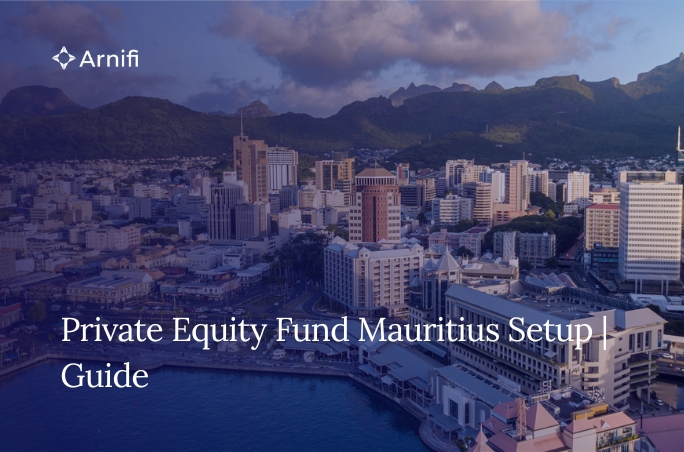
Mauritius has quietly become one of the most preferred jurisdictions for private equity funds targeting Africa and Asia. A well-planned private equity fund structure in Mauritius offers tax efficiency, regulatory clarity, and access to global investors. This blog breaks down how a Mauritius fund structure works, the setup process, and the real advantages founders and fund managers care about. It also looks at timelines, compliance, and where most first-time managers get stuck. For anyone exploring Mauritius fund setup, this guide lays out the essentials in a practical, easy-to-follow way without overcomplicating the details.
Table of contents
- Introduction
- Why Do Fund Managers Pick Mauritius for Private Equity?
- What Does a Mauritius Fund Structure Actually Look Like?
- How Does the Mauritius Fund Setup Process Work?
- What are The Tax and Operational Benefits?
- What Challenges Should be Expected?
- How Does Mauritius Compare to Other Jurisdictions?
- Where Do Most First-Time Fund Managers Go Wrong?
- How Arnifi Fits Into the Process
- Conclusion
- FAQs
Introduction
Start by looking at jurisdiction before strategy, because structure shapes outcomes. A private equity fund Mauritius approach is often chosen not by chance but by design. The country has built a reputation around clarity, predictability, and investor confidence. For founders and fund managers thinking beyond domestic capital, this matters.
The goal here is simple. Break down how this works, what decisions actually matter, and what to expect during the process.
Why Do Fund Managers Pick Mauritius for Private Equity?
The appeal is not just tax. That is usually the headline, but not the full story.
Mauritius offers a stable legal framework based on English common law. That alone reduces friction for international investors. Add to that a network of double taxation treaties, especially across Africa, and the structure starts to make sense.
Regulation is also balanced. The Financial Services Commission keeps oversight tight enough to build trust, but not so rigid that innovation becomes difficult.
A private equity fund in the Mauritius structure also allows capital to move efficiently. For funds investing across multiple jurisdictions, this becomes a practical advantage, not just a theoretical one.
What Does a Mauritius Fund Structure Actually Look Like?
This is where most founders pause. The typical Mauritius fund structure involves setting up a Global Business Company. This entity acts as the investment vehicle. Depending on the strategy, it can be structured as a company, limited partnership, or a protected cell company.
For private equity, limited partnerships are often preferred. They mirror structures used in more mature markets and are familiar to institutional investors.
There are three key roles:
- The fund entity itself
- The investment manager or advisor
- The custodian and administrator
Each plays a defined role, and regulators expect clear separation.
A strong Mauritius fund structure is not about complexity. It is about clarity. Investors want to see clean governance and defined responsibilities.
How Does the Mauritius Fund Setup Process Work?
The process is more straightforward than many expect, but it requires precision.
First comes structuring. This includes deciding the legal form, investment strategy, and investor profile.
Next is the incorporation of the entity, followed by applying for a Global Business License. This is issued by the regulator and is essential for operating internationally.
Then come the onboarding service providers. This includes administrators, auditors, and compliance officers.
The Mauritius fund setup process typically takes a few weeks if the documentation is in order. Delays usually come from unclear investor structures or incomplete compliance details.
A private equity fund set up in Mauritius is less about speed and more about getting the foundation right.
What are The Tax and Operational Benefits?
Tax efficiency is one of the main reasons funds choose Mauritius, but it is not the only benefit.
Corporate tax rates are competitive, and there are partial exemptions available for certain types of income. Capital gains tax is not applied in many cases, which is particularly relevant for private equity exits.
Operationally, Mauritius offers flexibility. Funds can be structured to suit different investor classes and strategies.
There is also substance. Local directors, office requirements, and compliance expectations are clear and manageable.
A well-planned private equity fund Mauritius strategy balances tax efficiency with regulatory credibility. Both matter equally.
What Challenges Should be Expected?
No jurisdiction is perfect, and Mauritius is no exception. Substance requirements have increased over time. This means funds must demonstrate real presence and decision-making within the country.
Banking can also take time. Due diligence standards are high, especially for international investors.
Another challenge is alignment. The structure must match the investment strategy. A mismatch here can create issues later, especially during fundraising.
The good part is that these challenges are predictable. With the right planning, they are manageable.
How Does Mauritius Compare to Other Jurisdictions?
Many compare Mauritius with Singapore, Luxembourg, or the Cayman Islands. Each has its strengths, but Mauritius stands out for funds targeting Africa and emerging markets. The treaty network and regional familiarity make a difference.
Costs are also relatively lower compared to European jurisdictions. This matters for first-time fund managers.
A private equity fund set up in Mauritius often becomes the practical middle ground. It offers credibility without the complexity or cost of larger financial centres.
Where Do Most First-Time Fund Managers Go Wrong?
The biggest mistake is treating structure as an afterthought. Some focus entirely on fundraising and leave the Mauritius fund setup decisions too late. This leads to rushed structures that may not align with investor expectations.
Another common issue is underestimating compliance. Documentation, governance, and reporting are not optional.
A private equity fund Mauritius approach works best when structure and strategy are planned together, not separately.
How Arnifi Fits Into the Process
Setting up a fund involves multiple moving parts, and coordination becomes the real challenge.
Arnifi works closely with founders and fund managers to simplify this process. From selecting the right Mauritius fund structure to handling documentation and licensing, the focus stays on clarity and speed.
The idea is not just to complete the setup, but to ensure the structure holds up during fundraising and operations.
Conclusion
Mauritius continues to be a strong choice for private equity funds looking outward. The combination of regulatory clarity, tax efficiency, and investor familiarity creates a compelling case.
A private equity fund Mauritius strategy works best when built with intent. Structure, compliance, and long-term goals need to align from the start.
For those ready to move forward, Arnifi provides the support needed to turn a plan into a functioning fund. The difference often lies in execution, and that is where the right partner makes all the impact.
FAQs
How long does it take to set up a fund in Mauritius?
Typically, a few weeks, depending on documentation and approvals.
Is Mauritius suitable for first-time fund managers?
Yes, especially for those targeting emerging markets.
What structure is commonly used for private equity funds?
Limited partnerships are widely preferred.
Are there tax advantages in Mauritius?
Yes, including exemptions and treaty benefits.
Is local presence required in Mauritius?
Yes, substance requirements must be met.
Top UAE Packages


Related Articles
Top UAE Packages
Get in Touch