
How FATF Standards Shape AML Compliance in Mauritius


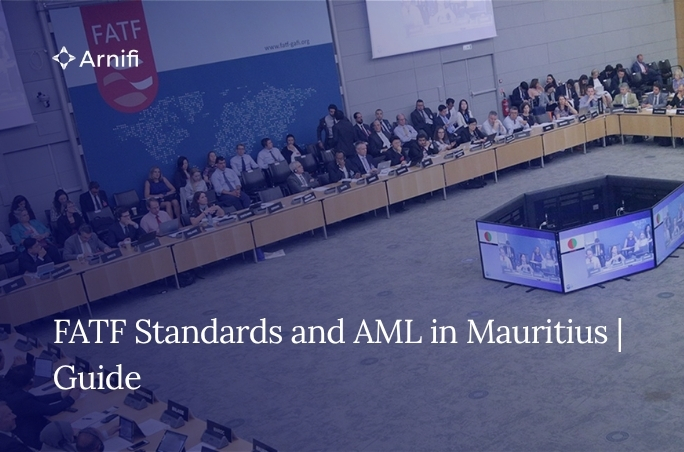
FATF Financial Action Task Force standards in Mauritius shape how businesses handle compliance, risk, and financial transparency in one of the most closely watched international financial centres. This article breaks down how FATF recommendations in Mauritius influence real regulatory practices and what anti-money laundering expectations in Mauritius look like on the ground. It explores how the global standards translate into daily operations, from onboarding to reporting & why compliance now sits at the centre of the business strategy. The focus stays practical, explaining what founders and operators actually deal with when setting up or managing a business in Mauritius without overcomplicating the regulatory side.
Table of contents
- Introduction
- What Are FATF Standards and Why Do They Matter in Mauritius?
- How Do FATF Recommendations In Mauritius Become Actual Compliance Rules?
- Why Has Anti-Money Laundering In Mauritius Tightened Over Time?
- How Do FATF Standards Mauritius Impact Daily Business Operations?
- What Happens When AML Compliance is Ignored?
- How Can Businesses Align With Anti-Money Laundering in Mauritius Without Slowing Down?
- Where Do Most Companies Struggle With FATF Standards Mauritius?
- What Role Does Technology Play in Anti-Money Laundering Mauritius?
- How Does Mauritius Balance Compliance With Growth?
- Where Arnifi Fits Into The Picture
- Conclusion
- FAQs
Introduction
Start by treating compliance as part of the business model, not as an afterthought. That shift tends to change how decisions get made across the board. FATF standards in Mauritius have quietly shaped the way companies operate, especially in financial services and cross-border structures. For founders, investors, and operators, understanding this influence is no longer optional. It sits right at the intersection of risk, credibility, and long-term growth. This guide walks through how those standards show up in real business situations and what they mean in practice.
What Are FATF Standards and Why Do They Matter in Mauritius?
The Financial Action Task Force sets global expectations on how countries deal with financial crime. These are not laws by themselves, but they carry weight. Jurisdictions that align with them tend to build trust with global investors and financial institutions.
FATF standards in Mauritius have shaped the country’s regulatory approach over time. As Mauritius positions itself as an international financial hub, staying aligned with these standards becomes essential. It is less about ticking boxes and more about maintaining access to global markets.
How Do FATF Recommendations In Mauritius Become Actual Compliance Rules?
There is always a translation step between global guidance and local enforcement. FATF recommendations for Mauritius provide the blueprint, while regulators turn them into actionable requirements.
This shows up in areas like customer due diligence, beneficial ownership checks & transaction monitoring. What begins as a recommendation becomes a rule that businesses must follow daily. It is not theoretical. It affects onboarding timelines, documentation standards & reporting obligations.
Why Has Anti-Money Laundering In Mauritius Tightened Over Time?
Mauritius has gone through periods of global scrutiny, which pushed regulators to refine and strengthen AML frameworks. The focus has shifted toward transparency and accountability.
Anti-money laundering Mauritius frameworks now look deeper into ownership structures and cross-border transactions. There is less tolerance for opacity and more emphasis on traceability. This shift has made the system more credible, even if it has added layers of responsibility for businesses.
How Do FATF Standards Mauritius Impact Daily Business Operations?
Compliance is no longer confined to large institutions. It affects funds, startups, holding companies, and service providers alike.
FATF standards in Mauritius influence how clients are onboarded, how data is stored, and how risks are assessed. Internal policies need to be documented and followed consistently. Even hiring decisions can be shaped by compliance needs, especially when experienced compliance professionals are required.
What Happens When AML Compliance is Ignored?
The consequences tend to go beyond fines. Regulatory penalties are just one part of the picture.
Failure to align with the FATF standards in Mauritius can lead to reputational damage, strained banking relationships, and also increased scrutiny from authorities. In some cases, it can limit the ability to operate internationally. That is a risk that cannot be justified for many businesses.
How Can Businesses Align With Anti-Money Laundering in Mauritius Without Slowing Down?
The key is structure & not complexity. Clear processes make compliance manageable.
FATF recommendations in Mauritius support a risk-based approach. This means focusing more effort on higher-risk areas while keeping routine processes efficient. Proper record-keeping, regular staff training, and internal checks go a long way.
When systems are built early, compliance becomes part of the workflow instead of a last-minute scramble.
Where Do Most Companies Struggle With FATF Standards Mauritius?
The struggle usually lies in consistency. Many businesses understand what needs to be done but fail to apply it uniformly.
Documentation gaps, delayed reporting, and over-reliance on manual processes often create problems. FATF standards in Mauritius expect discipline in execution, not just awareness. That is where many companies fall short.
What Role Does Technology Play in Anti-Money Laundering Mauritius?
Technology has changed the pace of compliance & automated tools now help track transactions, flag unusual patterns & also maintain records efficiently.
This reduces the margin for error and improves response times in anti-money laundering in Mauritius. It also allows businesses to scale without losing control over the compliance processes. Still, technology needs to be supported by clear policies and trained teams.
How Does Mauritius Balance Compliance With Growth?
Mauritius has managed to stay competitive by aligning with FATF recommendations Mauritius while keeping its business environment accessible.
There is structure in regulation, but also clarity. This balance helps businesses plan ahead without constantly second-guessing compliance expectations. It creates a system where growth and regulation can exist together without constant friction.
Where Arnifi Fits Into The Picture
Handling compliance while building a business can stretch internal resources. That is where structured support makes a difference.
Arnifi helps businesses set up in Mauritius while aligning with regulatory expectations from the start. This includes company formation, compliance structuring, and ongoing support. Instead of treating AML as a separate function, the approach integrates it into the business setup itself.
This reduces operational friction and keeps compliance aligned with FATF standards Mauritius from day one.
Conclusion
FATF standards in Mauritius have reshaped how businesses operate, especially those dealing with cross-border transactions and financial services. They influence not just regulations, but also how trust is built in the system.
Ignoring compliance creates risk. Understanding it creates stability.
For businesses that are entering or expanding in Mauritius, the practical approach is to build compliance into the foundation. With the right structure and guidance, it becomes far more manageable. Arnifi supports that process, helping businesses move forward with clarity and confidence.
FAQs
What are the FATF standards in Mauritius?
They are global AML guidelines that shape how compliance is handled locally.
How do FATF recommendations impact businesses in Mauritius?
They guide daily compliance tasks like due diligence, monitoring & reporting.
Why is anti-money laundering in Mauritius important?
It helps maintain financial transparency and protects the system from misuse.
What happens if AML compliance is not followed?
Businesses may face penalties, reputational damage & operational restrictions.
How can AML compliance be managed efficiently?
A risk-based approach with clear processes keeps compliance practical and consistent.
Top UAE Packages


Related Articles

Top UAE Packages
Get in Touch